


As a supplier of cup maker machines, I often encounter various inquiries from customers regarding the capabilities of our equipment. One question that has come up frequently is whether a cup maker machine can make cups with a heat - resistant coating. In this blog, I will delve into this topic, exploring the technical aspects, possibilities, and limitations of creating heat - resistant coated cups using our cup maker machines.
Understanding Heat - Resistant Coatings
Before we discuss whether our cup maker machines can produce cups with heat - resistant coatings, it's important to understand what heat - resistant coatings are. Heat - resistant coatings are materials applied to the surface of an object to protect it from high temperatures. These coatings can be made from a variety of substances, such as ceramic, silicone, or specialized polymers. They work by either reflecting heat, insulating the underlying material, or undergoing a chemical reaction that dissipates heat.
In the context of cups, heat - resistant coatings are crucial for applications where the cups will be used to hold hot beverages, such as coffee, tea, or hot chocolate. They prevent the outer surface of the cup from becoming too hot to handle, reducing the risk of burns and improving the overall user experience.
The Capabilities of Cup Maker Machines
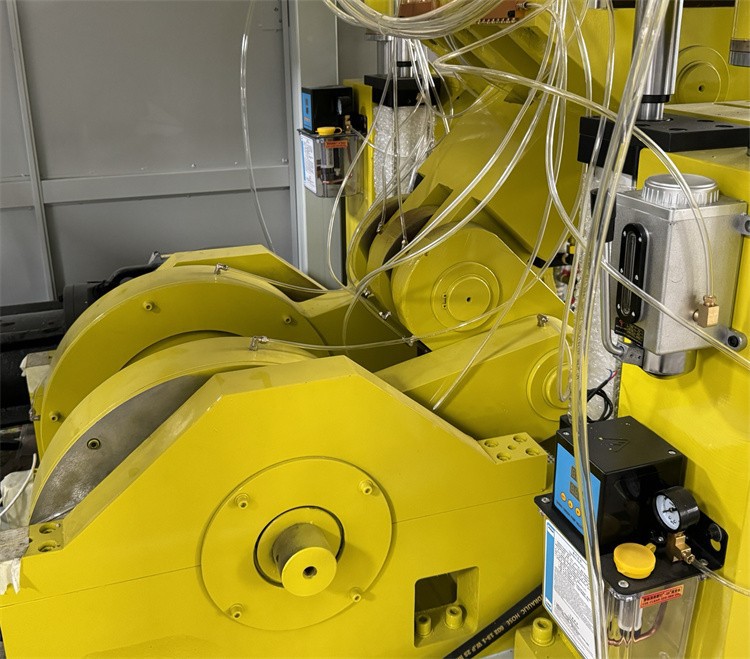
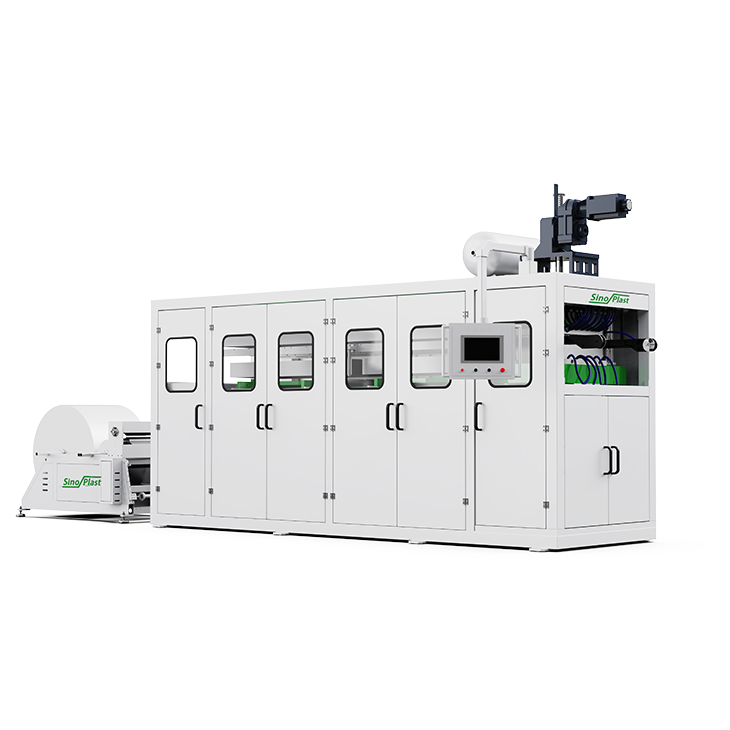
Our cup maker machines are designed to produce a wide range of cups, from disposable plastic cups to more durable ones made of materials like polypropylene (PP). The machines operate on a principle of thermoforming, where a plastic sheet is heated until it becomes pliable and then shaped into a cup using a mold.
The basic functionality of our machines is focused on forming the cup's shape. However, with the right modifications and additional equipment, it is possible to incorporate a heat - resistant coating application process into the cup - making workflow.
Modifying Cup Maker Machines for Coating Application
To enable our cup maker machines to produce cups with a heat - resistant coating, several modifications can be made. Firstly, a coating application system needs to be integrated into the machine. This system can be a spray - based or a dip - based mechanism, depending on the type of coating material being used.
For spray - based systems, a nozzle is used to apply a fine mist of the heat - resistant coating onto the surface of the newly formed cup. The spray can be controlled to ensure an even coating thickness, which is essential for consistent heat - resistant performance.
Dip - based systems, on the other hand, involve submerging the cups into a bath of the coating material. This method can provide a more thorough coating but may require additional drying and curing steps.
In addition to the coating application system, the machine may need to be equipped with a drying and curing unit. This unit is responsible for removing any solvents from the coating and ensuring that the coating adheres properly to the cup surface. The drying and curing process can be achieved through the use of heat, ultraviolet light, or a combination of both.
Compatibility of Coatings with Cup Materials
Another important factor to consider is the compatibility of the heat - resistant coating with the cup material. Different cup materials, such as plastic, paper, or glass, have different surface properties and chemical compositions. Therefore, it is crucial to select a coating that will bond well with the specific cup material.
For example, when using a plastic cup, the coating needs to be able to adhere to the plastic surface without causing any delamination or chemical reactions. Some coatings are specifically formulated for use with certain types of plastics, such as polyethylene or polypropylene.
In the case of paper cups, the coating needs to be able to penetrate the porous paper surface and form a protective barrier. Specialized water - based or oil - based coatings can be used for paper cups to ensure good adhesion and heat - resistant properties.
Advantages of Offering Heat - Resistant Coated Cups
Producing cups with heat - resistant coatings can bring several advantages to both our customers and the end - users. For our customers, offering heat - resistant coated cups can differentiate their products in the market. In a highly competitive industry, having a unique selling point like heat - resistant cups can attract more customers and increase sales.
For end - users, heat - resistant coated cups provide a safer and more comfortable drinking experience. They can hold hot beverages without the need for additional insulation sleeves, reducing waste and environmental impact. Moreover, the heat - resistant coating can extend the lifespan of the cup, making it a more sustainable option.
Examples of Cup Maker Machines for Different Applications
We offer a variety of cup maker machines to meet different customer needs. For those interested in producing disposable plastic cups, our Disposable Plastic Glass Making Machine is a great choice. This machine is capable of high - speed production and can be easily modified to incorporate a heat - resistant coating application system.
If you are looking to make polypropylene (PP) glasses, our Pp Glass Making Machine is specifically designed for this purpose. It offers precise control over the forming process, ensuring high - quality PP glasses that can be coated with a heat - resistant material.
For the production of coffee cups, our Coffee Cup Machine is optimized for the unique requirements of coffee cup manufacturing. It can produce cups with the right shape and size, and with the appropriate modifications, can also apply a heat - resistant coating to keep the coffee hot without burning the hands.
Limitations and Challenges
While it is possible to modify our cup maker machines to produce heat - resistant coated cups, there are some limitations and challenges that need to be considered. One of the main challenges is the cost of the modifications and the coating materials. Integrating a coating application system into the machine requires additional equipment and expertise, which can increase the initial investment.
The coating materials themselves can also be expensive, especially if they are made from high - end substances like ceramic or specialized polymers. Additionally, the drying and curing process can be time - consuming and energy - intensive, which can affect the overall production efficiency.
Another limitation is the complexity of the coating process. Ensuring an even and consistent coating thickness can be difficult, especially when dealing with different cup shapes and sizes. Any unevenness in the coating can lead to variations in heat - resistant performance, which may not meet the quality standards of the end - users.
Conclusion
In conclusion, it is indeed possible for our cup maker machines to make cups with a heat - resistant coating. With the right modifications and additional equipment, we can integrate a coating application system into the cup - making process. However, there are several factors to consider, such as the compatibility of the coating with the cup material, the cost of the modifications and coating materials, and the complexity of the coating process.
If you are interested in exploring the possibility of producing heat - resistant coated cups using our cup maker machines, we encourage you to contact us for a detailed discussion. Our team of experts can provide you with more information on the modifications required, the cost implications, and the expected production capabilities. We look forward to working with you to meet your specific cup - making needs.
References
- "Thermoforming Technology Handbook" by John W. McGinity
- "Plastic Materials and Processes: A Concise Encyclopedia" by Charles A. Harper
- "Coatings Technology Handbook" by Edward D. Weil, Paul A. Cusack


