


Hey there! As a supplier of cup manufacturing machines, I often get asked this question: Can a cup manufacturing machine produce cups for food packaging? Well, the short answer is yes, but there's a lot more to it than that. In this blog post, I'll break down the ins and outs of using cup manufacturing machines for food packaging, including the types of machines available, the materials they can work with, and the considerations you need to keep in mind.
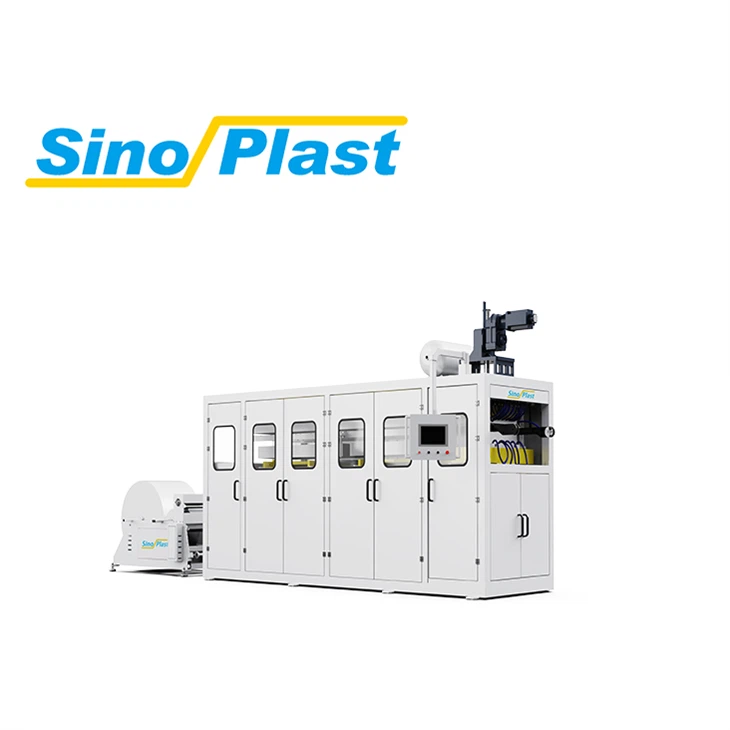
Let's start by looking at the different types of cup manufacturing machines. There are several options out there, each with its own set of features and capabilities. One popular type is the Disposable Plastic Cup Making Machine. This machine is designed to produce disposable plastic cups, which are commonly used for food and beverage packaging. It can create cups in various shapes and sizes, from small shot glasses to large tumblers. The process typically involves heating a plastic sheet and then using a mold to shape it into a cup. These machines are known for their high production speed and efficiency, making them a great choice for large-scale food packaging operations.
Another option is the Glass Cup Making Machine. This type of machine is used to manufacture glass cups, which are often preferred for their aesthetic appeal and durability. Glass cups are commonly used for high-end food and beverage products, such as wine, cocktails, and gourmet desserts. The process of making glass cups is more complex than plastic cups, as it involves melting glass at high temperatures and then shaping it using molds. Glass cup making machines require more specialized skills and equipment, but they can produce high-quality cups that are perfect for food packaging.
If you're looking for a machine that can produce both plastic cups and plates, then the Plastic Cup and Plate Making Machine is a great option. This versatile machine can create a variety of plastic containers, including cups, plates, bowls, and trays. It uses a similar process to the disposable plastic cup making machine, but with the added ability to produce different shapes and sizes. This makes it a popular choice for food packaging companies that need to produce a range of products.
Now that we've covered the different types of cup manufacturing machines, let's talk about the materials they can work with. When it comes to food packaging, it's important to use materials that are safe and compliant with food safety regulations. Most cup manufacturing machines can work with a variety of plastics, such as polypropylene (PP), polyethylene (PE), and polystyrene (PS). These plastics are widely used in the food packaging industry because they are lightweight, durable, and resistant to moisture and chemicals.
In addition to plastics, some cup manufacturing machines can also work with other materials, such as paper and cardboard. Paper cups are a popular choice for hot beverages, such as coffee and tea, as they are biodegradable and environmentally friendly. Cardboard cups and containers are often used for food products, such as soups, salads, and snacks. These materials are also recyclable, making them a sustainable option for food packaging.
When choosing a cup manufacturing machine for food packaging, there are several considerations you need to keep in mind. First and foremost, you need to make sure that the machine is capable of producing cups that meet your specific requirements. This includes the size, shape, and thickness of the cups, as well as any special features or printing requirements. You also need to consider the production capacity of the machine, as this will determine how many cups you can produce per hour or per day.
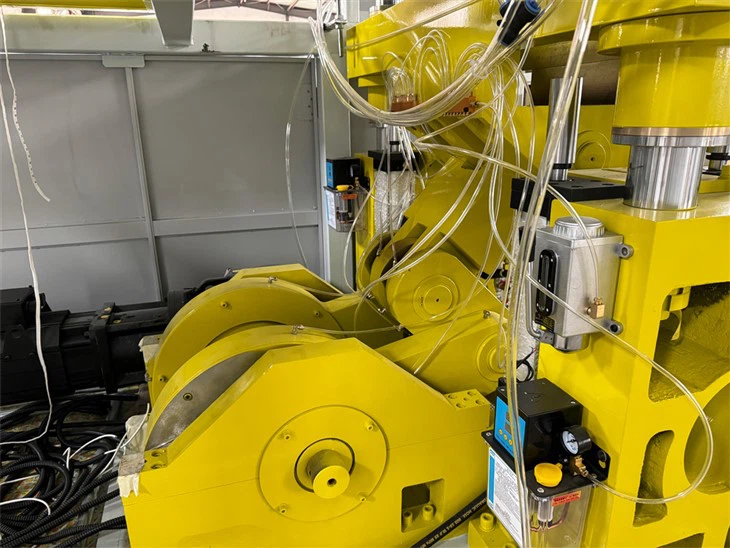
Another important consideration is the quality of the cups produced by the machine. The cups need to be strong, durable, and leak-proof to ensure that they can safely hold food and beverages. You should also look for a machine that produces cups with a smooth finish and consistent wall thickness, as this will improve the overall appearance and functionality of the cups.
In addition to the machine itself, you also need to consider the cost of operating and maintaining it. This includes the cost of raw materials, energy consumption, and labor. You should look for a machine that is energy-efficient and easy to operate, as this will help to reduce your operating costs. You should also consider the availability of spare parts and technical support, as this will ensure that your machine can be quickly repaired if it breaks down.
Finally, it's important to choose a reputable supplier for your cup manufacturing machine. Look for a supplier that has a proven track record of providing high-quality machines and excellent customer service. You should also ask for references and testimonials from other customers to get an idea of their experience with the supplier.
In conclusion, a cup manufacturing machine can definitely produce cups for food packaging. There are several types of machines available, each with its own set of features and capabilities. You can choose a machine that works with the materials you need and meets your specific production requirements. When choosing a machine, it's important to consider factors such as quality, production capacity, operating costs, and supplier reputation.
If you're interested in purchasing a cup manufacturing machine for your food packaging business, I'd love to hear from you. We have a wide range of machines available, and our team of experts can help you choose the right one for your needs. Contact us today to start the conversation and take your food packaging business to the next level.
References
- General knowledge about cup manufacturing machines and food packaging industry.


