


Can a plastic glass making machine produce plastic glasses with a matte finish?
As a supplier of plastic glass making machines, I often encounter inquiries from customers regarding the machine's capabilities, especially about the production of plastic glasses with a matte finish. This topic is not only relevant to our industry but also to many businesses looking to diversify their product offerings. In this blog post, I will explore whether a plastic glass making machine can produce plastic glasses with a matte finish and discuss the related aspects.
Understanding Matte Finish
Before delving into whether our machines can achieve a matte finish, it's essential to understand what a matte finish is. A matte finish is a surface treatment that results in a non - reflective, smooth, and soft - looking appearance. In the context of plastic glasses, a matte finish can add a touch of elegance and sophistication, making the glasses stand out in the market. It can also be beneficial for reducing glare, which is especially important in certain lighting conditions.
How Plastic Glass Making Machines Work
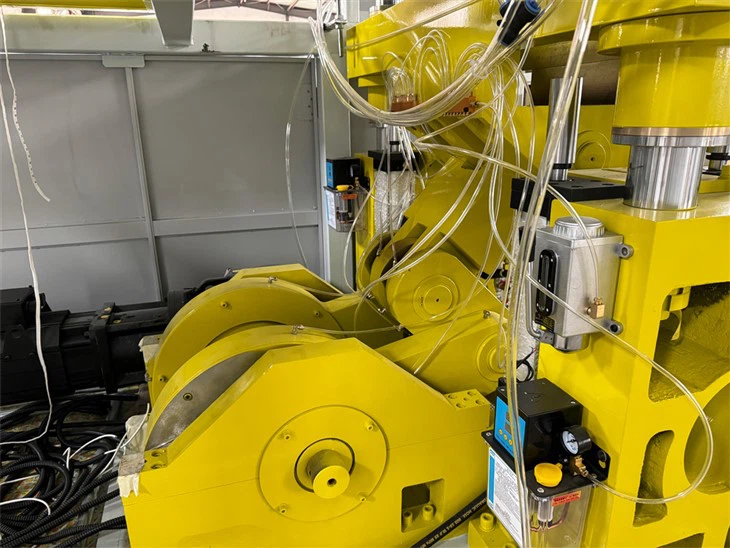
To understand if a matte finish is achievable, we first need to know how plastic glass making machines operate. Generally, these machines use a thermoforming process. The process starts with a plastic sheet, which is heated until it becomes pliable. Then, it is placed over a mold and shaped into the desired form of a glass using vacuum or pressure.
There are different types of plastic glass making machines available, such as the Disposable Plastic Plate Cup Thermoforming Machine, Disposable Plastic Cup Making Machine, and Automatic Plastic Cup Machine. Each machine has its own set of features and capabilities, but they all follow the basic thermoforming principle.
Achieving a Matte Finish
The answer to whether a plastic glass making machine can produce plastic glasses with a matte finish is yes. There are several ways to achieve this:
Mold Design
The design of the mold plays a crucial role in creating a matte finish. By using a mold with a textured surface, the plastic will take on the texture of the mold during the thermoforming process. The texture of the mold can be created through various techniques, such as sandblasting, chemical etching, or laser engraving. Sandblasting is a common method where fine sand particles are blasted onto the mold surface, creating a rough texture. Chemical etching involves using chemicals to dissolve parts of the mold surface, resulting in a textured finish. Laser engraving uses a high - energy laser beam to create patterns on the mold surface.
Plastic Material Selection
The type of plastic material used also affects the final finish. Some plastics are more suitable for achieving a matte finish than others. For example, polypropylene (PP) and polystyrene (PS) can be adjusted to produce a matte appearance. Additives can be mixed with the plastic resin during the manufacturing process. These additives can modify the surface properties of the plastic, making it less reflective and more matte - like.
Post - Processing
In some cases, post - processing steps can be used to achieve a matte finish. This can include applying a matte coating to the surface of the plastic glasses. The coating can be sprayed or dipped onto the glasses. However, post - processing adds an extra step to the production process, which may increase the cost and production time.
Advantages of Matte Finish Plastic Glasses
Producing plastic glasses with a matte finish can bring several advantages to businesses:
Aesthetic Appeal
Matte finish plastic glasses have a unique and sophisticated look that can attract customers. They are often used in high - end events, restaurants, and cafes to enhance the overall dining experience.
Reduced Glare
As mentioned earlier, matte finish reduces glare, which is beneficial in bright environments. This can be especially useful for outdoor events or places with strong lighting.
Branding
A matte finish can provide a better surface for branding. Logos and labels can stand out more on a matte surface compared to a glossy one, making it easier for businesses to promote their brand.
Considerations for Production
When considering producing matte finish plastic glasses with our plastic glass making machines, there are a few factors to keep in mind:
Cost
As with any specialized production, achieving a matte finish may increase the cost. The cost of mold modification, plastic additives, or post - processing can add up. However, the potential increase in product value and marketability may offset these costs.
Production Speed
If post - processing is required, it can slow down the production speed. Businesses need to balance the desire for a matte finish with the need for high - volume production.
Quality Control
Maintaining consistent quality is crucial when producing matte finish plastic glasses. The texture of the mold, the quality of the plastic material, and the application of post - processing steps need to be carefully controlled to ensure that each glass has a uniform matte finish.
Conclusion
In conclusion, a plastic glass making machine can indeed produce plastic glasses with a matte finish. Through proper mold design, plastic material selection, and potentially post - processing steps, businesses can create high - quality matte finish plastic glasses. The advantages of matte finish plastic glasses, such as aesthetic appeal, reduced glare, and better branding opportunities, make them a valuable product in the market.
If you are interested in producing matte finish plastic glasses or have any questions about our plastic glass making machines, we are here to help. Our team of experts can provide you with detailed information on the production process, cost analysis, and technical support. Contact us to start a discussion about your specific requirements and explore the possibilities of incorporating matte finish plastic glasses into your product line.

References
- Modern Plastics Encyclopedia. McGraw - Hill.
- Thermoforming Technology Handbook. Society of Plastics Engineers.


