


As a trusted supplier of PP cup making machines, we understand the importance of a well - adjusted cup - ejection mechanism. A properly functioning cup - ejection mechanism ensures smooth production, high - quality output, and minimal downtime. In this blog, we will guide you through the process of adjusting the cup - ejection mechanism in a PP cup making machine.
Understanding the Cup - Ejection Mechanism
The cup - ejection mechanism in a PP cup making machine is responsible for removing the newly formed cups from the mold. It is a crucial part of the production process, as any malfunction can lead to damaged cups, production bottlenecks, and increased labor costs.
The basic components of a cup - ejection mechanism typically include an ejection rod, a driving device (such as a pneumatic cylinder or a motor), and a control system. The ejection rod is inserted into the mold cavity after the cup is formed, and then it pushes the cup out of the mold when the driving device is activated. The control system regulates the timing and force of the ejection process.
Preparation for Adjustment
Before you start adjusting the cup - ejection mechanism, it is essential to take some preparatory steps:
- Operate according to safety regulations: Turn off the power supply of the PP cup making machine and ensure that all moving parts have stopped. Wear appropriate personal protective equipment, such as gloves and safety glasses.
- Inspect the components: Check the ejection rod, driving device, and control system for any signs of damage, wear, or misalignment. Look for loose bolts, broken parts, or leaks in the pneumatic system. Replace any damaged components before proceeding with the adjustment.
- Clean the parts: Clean the mold cavity and the ejection rod to remove any debris, plastic residue, or lubricant. A clean environment is essential for accurate adjustment and smooth operation.
Adjusting the Ejection Timing
The ejection timing is critical to ensure that the cups are ejected at the right moment. If the ejection occurs too early, the cups may be deformed or not fully formed. If it occurs too late, the cups may stick to the mold, causing damage.
- Understand the control system: Refer to the machine's manual to understand how the ejection timing is controlled. Most modern PP cup making machines use programmable logic controllers (PLCs) to set the ejection timing.
- Initial setting: Start with the default ejection timing settings provided by the machine manufacturer. This will give you a baseline to work from.
- Test and adjust: Run a test production cycle and observe the ejection process. If the cups are not ejected properly, use the control panel to adjust the ejection timing. Make small adjustments (usually in milliseconds) and test the machine again after each adjustment until the optimal timing is achieved.
Adjusting the Ejection Force
The ejection force needs to be sufficient to remove the cups from the mold without causing damage. If the force is too low, the cups may not be ejected completely. If the force is too high, the cups may be cracked or the mold may be damaged.
- Inspect the driving device: The ejection force is usually controlled by the driving device. For pneumatic cylinders, check the air pressure. For electric motors, check the torque settings.
- Calibration: Use a force - measuring device to calibrate the ejection force. Place the device between the ejection rod and the mold and measure the force applied during the ejection process.
- Adjust the settings: Based on the measurement results, adjust the air pressure or motor torque. Make small adjustments and test the machine after each adjustment. You can also refer to the cup material properties and the mold design to determine the appropriate ejection force. For example, thicker - walled cups may require a higher ejection force compared to thinner - walled ones.
Adjusting the Ejection Rod Position
The proper position of the ejection rod is crucial for effective cup ejection. Misaligned ejection rods can cause uneven ejection, resulting in damaged cups or improper mold release.
- Visual inspection: Visually inspect the position of the ejection rod relative to the mold cavity. It should be centered and parallel to the mold.
- Loosen and adjust: Loosen the mounting bolts of the ejection rod and make small adjustments to its position. Use shims or spacers if necessary to ensure proper alignment.
- Tighten the bolts: Once the ejection rod is in the correct position, tighten the mounting bolts securely. Run a test production cycle to verify the adjustment.
Troubleshooting Common Issues
Even after proper adjustment, you may encounter some common issues with the cup - ejection mechanism. Here are some troubleshooting tips:
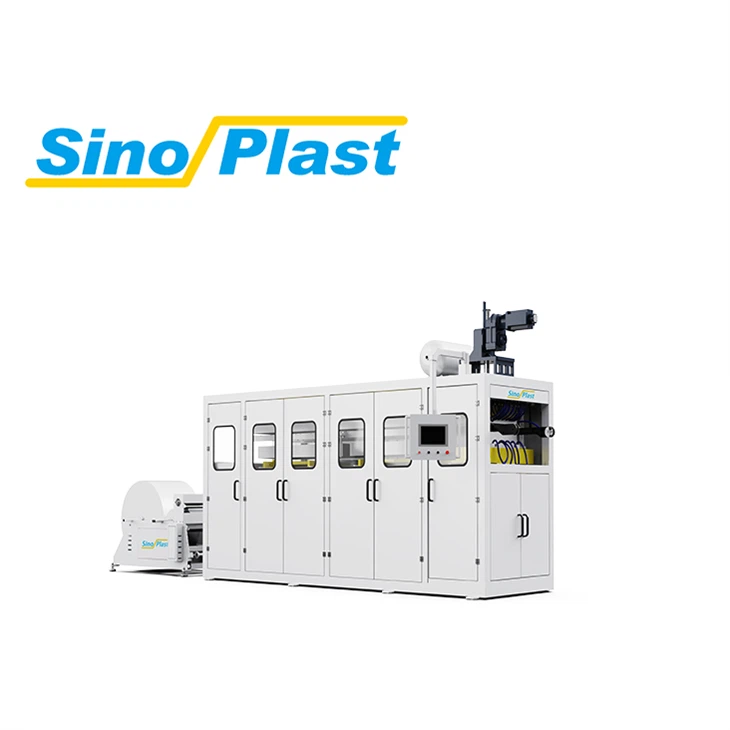

Cups sticking to the mold: This may be due to insufficient ejection force, improper ejection timing, or a dirty mold. Check and adjust the ejection force and timing as described above. Clean the mold thoroughly and apply a suitable mold release agent if necessary.
Damaged cups during ejection: If the cups are cracked or deformed during ejection, the ejection force may be too high, or the ejection rod may be misaligned. Reduce the ejection force and check the position of the ejection rod.
Inconsistent ejection: Inconsistent ejection may be caused by a malfunctioning control system or a problem with the driving device. Check the control settings and the condition of the driving device, such as the air pressure in a pneumatic cylinder or the motor's performance.
Importance of Regular Maintenance
Regular maintenance of the cup - ejection mechanism is essential to keep it in optimal working condition. Here are some maintenance tips:
- Lubrication: Lubricate the moving parts of the ejection mechanism, such as the ejection rod and the guide rails, regularly. Use a lubricant recommended by the machine manufacturer.
- Inspection: Inspect the components of the ejection mechanism periodically for wear and damage. Replace any worn - out parts immediately.
- Cleaning: Keep the ejection mechanism clean by removing debris and plastic residue. This will prevent blockages and ensure smooth operation.
Boost Your Production Efficiency with Our Machines
At our company, we are committed to providing high - quality PP cup making machines and excellent after - sales service. In addition to PP cup making machines, we also offer other related machines, such as Lid Thermoforming Machine, Glass Cup Making Machine, and Plastic Cup Making Machine.
If you have any questions about adjusting the cup - ejection mechanism in our machines or if you are interested in purchasing our products, please feel free to contact us. Our professional sales team is ready to assist you with all your needs and provide detailed information about product specifications, pricing, and delivery.
References
- Manufacturer's manual of the PP cup making machine
- Industry standards for plastic cup manufacturing equipment


