


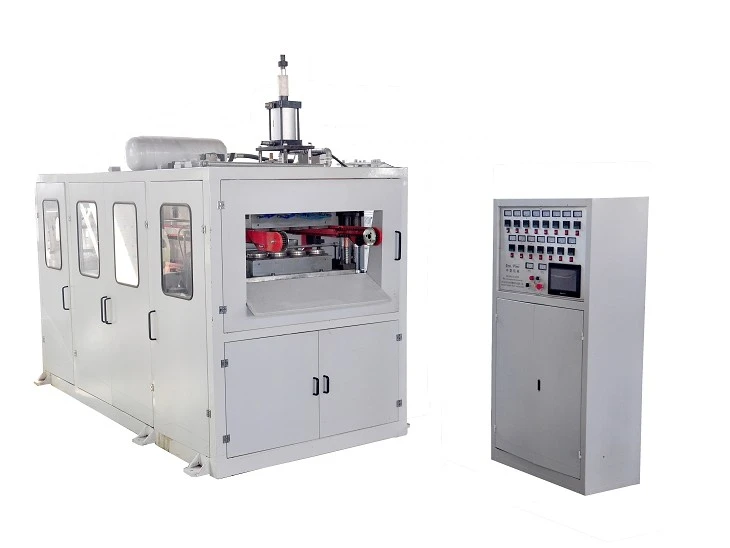
Hey there! As a supplier of Cup Thermoforming Machines, I know how crucial it is to have your machine calibrated correctly. A well - calibrated machine not only ensures high - quality cup production but also extends the lifespan of your equipment. In this blog, I'll walk you through the steps on how to calibrate a Cup Thermoforming Machine.
Understanding the Basics
Before we start the calibration process, it's important to understand what a Cup Thermoforming Machine does. Essentially, it takes a plastic sheet, heats it until it's pliable, and then forms it into cups using a mold. The calibration process involves adjusting various parameters to make sure that every step of this process is carried out accurately.
Pre - Calibration Checks
First things first, you need to do a thorough pre - calibration check. This includes inspecting the machine for any visible damages or wear and tear. Check the heating elements to ensure they're working properly. A faulty heating element can lead to uneven heating of the plastic sheet, resulting in misshapen cups. Also, examine the molds for any signs of damage or debris. Clean the molds if necessary, as any dirt or residue can affect the quality of the formed cups.
Temperature Calibration
Temperature is a key factor in the thermoforming process. If the temperature is too low, the plastic sheet won't be pliable enough to form into cups properly. On the other hand, if it's too high, the plastic may burn or become too thin.
To calibrate the temperature, you'll need a reliable temperature sensor. Place the sensor at different points on the heating platen where the plastic sheet will come into contact. Start the machine and let it heat up. Monitor the temperature readings from the sensor and compare them with the temperature settings on the machine's control panel.
If there's a discrepancy, you'll need to adjust the temperature settings accordingly. Most modern Cup Thermoforming Machines have a digital control panel where you can easily make these adjustments. Keep making small adjustments and re - checking the temperature until the readings match the desired settings.
Pressure Calibration
Pressure is another critical parameter. The right amount of pressure is needed to ensure that the plastic sheet is formed into the shape of the mold correctly.
To calibrate the pressure, you'll need a pressure gauge. Connect the pressure gauge to the hydraulic or pneumatic system of the machine, depending on the type of pressure mechanism your machine uses.
Start the machine and initiate a test cycle. Observe the pressure readings on the gauge. Compare these readings with the recommended pressure settings for your specific machine and the type of plastic you're using.
If the pressure is too low, the cups may not be fully formed, with thin walls or incomplete shapes. If it's too high, the plastic may be over - compressed, leading to cracks or other defects. Adjust the pressure control valves on the machine to increase or decrease the pressure as needed. Keep testing and adjusting until you get the right pressure.
Speed Calibration
The speed at which the machine operates also affects the quality of the cups. If the machine moves too fast, the plastic may not have enough time to form properly. If it moves too slowly, it can reduce the production efficiency.
To calibrate the speed, you can use a stopwatch to time the different stages of the thermoforming process, such as the heating time, the forming time, and the ejection time. Compare these times with the recommended values in the machine's manual.
Most machines have speed control knobs or digital settings. Adjust these settings to increase or decrease the speed of the machine. Keep running test cycles and timing the processes until you achieve the optimal speed.
Alignment Calibration
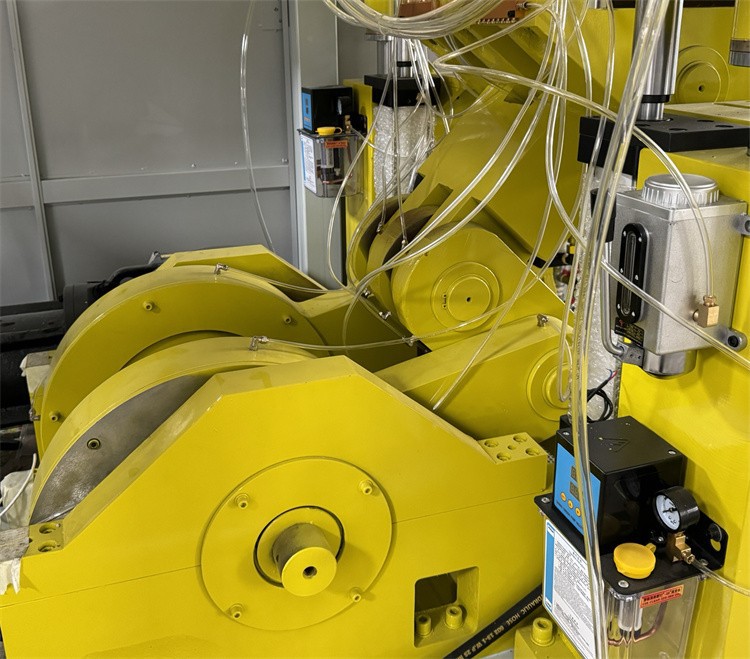
Proper alignment of the molds and the plastic sheet is essential for producing well - formed cups. Misaligned molds can result in cups with uneven walls or improper shapes.
To check the alignment, start by visually inspecting the position of the molds. Make sure they're centered and parallel to each other. You can use a straightedge or a laser alignment tool to verify this.
If the molds are misaligned, you'll need to adjust their position. Most machines have adjustment bolts or screws that allow you to move the molds horizontally and vertically. Make small adjustments and then run a test cycle to see if the alignment has improved. Keep adjusting until the cups are being formed correctly.
Material Feeding Calibration
The way the plastic sheet is fed into the machine also impacts the final product. The sheet should be fed smoothly and at the right tension.
To calibrate the material feeding, check the feed rollers and the tensioning system. Make sure the rollers are clean and free of any debris that could cause the sheet to slip.
Adjust the tensioning mechanism to ensure that the plastic sheet is being fed with the right amount of tension. If the tension is too loose, the sheet may wrinkle or bunch up, leading to defective cups. If it's too tight, the sheet may break or tear.
You can test the material feeding by running a few cycles and observing how the sheet moves through the machine. Make any necessary adjustments to the feed rollers and the tensioning system until the sheet is fed smoothly.
Quality Control Checks
After you've completed the calibration process, it's important to perform quality control checks. Produce a batch of test cups and inspect them carefully. Look for any signs of defects such as uneven walls, cracks, or improper shapes.
Measure the dimensions of the cups, such as the diameter, height, and wall thickness, using a caliper or other measuring tools. Compare these measurements with the specifications for the cups you're trying to produce.
If you find any defects or deviations from the specifications, go back and re - check the calibration settings. It's possible that you may need to make further adjustments to one or more of the parameters we've discussed.
Conclusion
Calibrating a Cup Thermoforming Machine is a detailed process that requires attention to multiple parameters. By following the steps outlined above, you can ensure that your machine is operating at its best, producing high - quality cups efficiently.
If you're in the market for a new Cup Thermoforming Machine or need help with the calibration process, we're here to assist you. We also offer other related machines like the Pp Glass Making Machine, Disposable Cup Forming Machine, and Disposable Glass Manufacturing Machine.
Don't hesitate to reach out if you have any questions or if you're interested in discussing a potential purchase. We're always happy to help you find the right solution for your cup production needs.
References
- Cup Thermoforming Machine User Manuals
- Industry Standards for Plastic Cup Production
- Technical Bulletins from Machine Manufacturers


