


Ensuring the consistency of products made by a Vacuum Thermoforming Machine is crucial for any business aiming to maintain high - quality standards, meet customer expectations, and remain competitive in the market. As a supplier of Vacuum Thermoforming Machines, I have witnessed firsthand the challenges and solutions associated with achieving product consistency. In this blog, I will share some key strategies and best practices to help you ensure that your thermoformed products are consistent in terms of quality, dimensions, and appearance.
Understanding the Vacuum Thermoforming Process
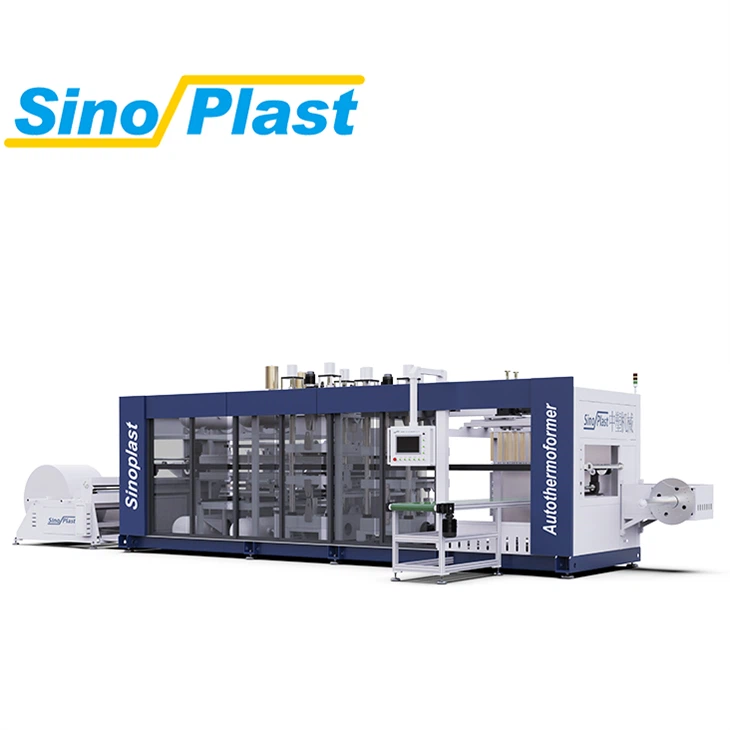
Before delving into the ways to ensure product consistency, it's essential to have a basic understanding of the vacuum thermoforming process. Vacuum thermoforming involves heating a plastic sheet until it becomes pliable, then draping it over a mold and using vacuum pressure to draw the sheet into the shape of the mold. Once the plastic has cooled and solidified, the formed part is trimmed from the excess sheet.
The process is influenced by several factors, including the type of plastic material, the temperature of the heating elements, the vacuum pressure, the cooling rate, and the design of the mold. Any variation in these factors can lead to inconsistencies in the final products.
Selecting the Right Plastic Material
The choice of plastic material is one of the most critical factors in ensuring product consistency. Different plastics have different properties, such as melting points, shrinkage rates, and flexibility. For example, polystyrene (PS) is a popular choice for thermoforming due to its low cost, good formability, and transparency. However, it has a relatively high shrinkage rate, which can cause dimensional variations in the final products.
On the other hand, polyethylene terephthalate (PET) has a lower shrinkage rate and better chemical resistance, making it suitable for products that require precise dimensions and durability. When selecting a plastic material, consider the specific requirements of your products, such as strength, flexibility, transparency, and chemical resistance. Consult with your plastic supplier to choose the material that best suits your needs.
Controlling the Heating Process
The heating process is a crucial step in vacuum thermoforming, as it determines the pliability of the plastic sheet. Inconsistent heating can result in uneven stretching of the plastic, leading to variations in thickness and shape of the final products. To ensure consistent heating, it's important to maintain a uniform temperature across the heating elements.
Invest in a high - quality heating system that can accurately control the temperature. Use temperature sensors to monitor the temperature of the heating elements and make adjustments as needed. Additionally, ensure that the plastic sheet is evenly exposed to the heat. This may involve using a conveyor system to move the sheet through the heating zone at a consistent speed.
Optimizing the Vacuum Pressure
Vacuum pressure plays a vital role in forming the plastic sheet into the shape of the mold. Insufficient vacuum pressure can result in incomplete forming, while excessive pressure can cause the plastic to thin out or tear. To ensure consistent product quality, it's important to optimize the vacuum pressure for each specific mold and plastic material.
Conduct tests to determine the optimal vacuum pressure for your products. Start with a low pressure and gradually increase it until the plastic sheet fully conforms to the mold. Monitor the pressure during the forming process and make adjustments as needed. Use a vacuum pressure gauge to accurately measure the pressure.

Managing the Cooling Process
The cooling process is equally important as the heating and forming processes. Rapid cooling can cause the plastic to shrink unevenly, leading to warping and dimensional variations. On the other hand, slow cooling can increase the cycle time and reduce productivity.
To ensure consistent cooling, use a cooling system that can control the cooling rate. This may involve using fans, water jets, or a combination of both. Ensure that the cooling is uniform across the entire product. You can also use a post - cooling process to further stabilize the dimensions of the products.
Maintaining the Mold
The mold is a key component in the vacuum thermoforming process, and its condition can significantly affect the consistency of the products. Over time, the mold may wear out, become dirty, or develop defects, which can lead to inconsistencies in the final products.
Regularly inspect the mold for signs of wear and tear, such as scratches, dents, or cracks. Clean the mold thoroughly after each use to remove any debris or residue. If necessary, repair or replace the mold to ensure that it is in good condition.
Training and Quality Control
Proper training of the operators is essential for ensuring product consistency. Operators should be trained on the correct operation of the Vacuum Thermoforming Machine, including how to set the temperature, pressure, and other parameters. They should also be trained on quality control procedures, such as inspecting the products for defects and measuring the dimensions.
Implement a strict quality control system to monitor the quality of the products. This may involve conducting regular inspections during the production process, as well as performing final inspections before the products are shipped. Use quality control tools, such as calipers, micrometers, and surface profilometers, to measure the dimensions and surface quality of the products.
Using Advanced Technology
Advancements in technology have made it possible to improve the consistency of products made by Vacuum Thermoforming Machines. For example, some machines are equipped with automated control systems that can precisely adjust the temperature, pressure, and other parameters based on the specific requirements of the products.
These systems can also monitor the production process in real - time and detect any deviations from the set parameters. Additionally, some machines use advanced sensors and cameras to inspect the products for defects during the production process. Consider investing in these advanced technologies to improve the consistency and quality of your products.
Conclusion
Ensuring the consistency of products made by a Vacuum Thermoforming Machine requires a combination of careful planning, proper equipment selection, and strict quality control. By selecting the right plastic material, controlling the heating, vacuum pressure, and cooling processes, maintaining the mold, training the operators, and using advanced technology, you can produce high - quality, consistent products that meet the expectations of your customers.
If you are interested in learning more about our Vacuum Thermoforming Machines, or if you are looking for a reliable supplier for your plastic thermoforming needs, please feel free to reach out. We also offer a range of machines such as the Plastic Plate Machine, Plastic Dish Making Machine, and Automatic Thermoforming Machine. Contact us to start a discussion about your specific requirements and how we can help you achieve consistent, high - quality thermoformed products.
References
- "Thermoforming Handbook" by James F. Throne
- "Plastics Materials and Processing" by Donald R. Paul and Christopher L. Robeson
- Industry whitepapers on vacuum thermoforming technology


