


Hey there! As a supplier of Plastic Cup Maker Machines, I've seen firsthand the importance of ensuring quality consistency when it comes to producing plastic cups. In this blog post, I'll share some tips and strategies that can help you achieve that goal.
Understanding the Basics of Plastic Cup Production
Before we dive into the details of quality control, let's quickly go over how plastic cup maker machines work. These machines typically use a process called thermoforming, where a sheet of plastic is heated until it becomes pliable and then formed into the shape of a cup using a mold. The cups are then trimmed and ejected from the machine.
The quality of the cups produced by these machines can be affected by a variety of factors, including the type of plastic used, the temperature and pressure settings of the machine, and the condition of the molds. By understanding these factors and how they interact, you can take steps to ensure that your cups are consistent in quality.
Choosing the Right Plastic
The first step in ensuring quality consistency is to choose the right type of plastic for your cups. There are several different types of plastic that can be used in cup production, each with its own unique properties and characteristics.
- PET (Polyethylene Terephthalate): This is one of the most commonly used plastics for cup production. It's lightweight, strong, and has good clarity, making it ideal for clear cups. PET is also recyclable, which is a plus for environmentally conscious consumers.
- PP (Polypropylene): PP is another popular choice for cup production. It's more rigid than PET and has better heat resistance, making it suitable for hot beverages. PP is also dishwasher safe, which is a convenient feature for consumers.
- PS (Polystyrene): PS is a lightweight and inexpensive plastic that's often used for disposable cups. It has good insulation properties, which makes it suitable for cold beverages. However, PS is not as strong as PET or PP and is not recyclable in many areas.
When choosing a plastic for your cups, it's important to consider the intended use of the cups, as well as any regulatory requirements or environmental concerns. You should also work with a reputable plastic supplier to ensure that you're getting a high-quality product.
Maintaining the Machine
Once you've chosen the right plastic, the next step is to maintain your Plastic Cup Maker Machine properly. Regular maintenance is essential for ensuring that the machine operates smoothly and produces consistent results.
- Cleaning: Regular cleaning is important to prevent the buildup of dirt, debris, and plastic residue on the machine. This can affect the quality of the cups and cause the machine to malfunction. You should clean the machine after each use and perform a more thorough cleaning on a regular basis.
- Lubrication: Lubrication is necessary to keep the moving parts of the machine functioning properly. You should lubricate the machine according to the manufacturer's recommendations and use the appropriate lubricant for the specific parts of the machine.
- Inspection: Regular inspection of the machine is important to identify any potential problems or issues before they become major problems. You should inspect the machine for signs of wear and tear, damage, or malfunction and replace any worn or damaged parts as needed.
In addition to regular maintenance, you should also train your operators on how to use the machine properly. This includes following the manufacturer's instructions, using the correct settings and parameters, and performing routine checks and inspections.
Controlling the Production Process
Another important factor in ensuring quality consistency is to control the production process carefully. This includes monitoring and adjusting the temperature, pressure, and other settings of the machine to ensure that the cups are being produced to the desired specifications.
- Temperature Control: The temperature of the plastic sheet and the mold is critical for ensuring that the cups are formed correctly. If the temperature is too low, the plastic may not be pliable enough to form the cup properly. If the temperature is too high, the plastic may melt or deform. You should monitor the temperature of the machine and adjust it as needed to ensure that the cups are being produced at the optimal temperature.
- Pressure Control: The pressure applied to the plastic sheet during the forming process is also important for ensuring that the cups are formed correctly. If the pressure is too low, the cups may not be fully formed or may have a weak structure. If the pressure is too high, the cups may be deformed or damaged. You should monitor the pressure of the machine and adjust it as needed to ensure that the cups are being produced at the optimal pressure.
- Speed Control: The speed of the machine can also affect the quality of the cups. If the machine is running too fast, the cups may not be fully formed or may have a rough surface. If the machine is running too slow, the production efficiency may be reduced. You should monitor the speed of the machine and adjust it as needed to ensure that the cups are being produced at the optimal speed.
In addition to monitoring and adjusting the settings of the machine, you should also perform regular quality checks on the cups during the production process. This includes inspecting the cups for defects, such as cracks, holes, or uneven walls, and measuring the dimensions of the cups to ensure that they meet the desired specifications.
Using High-Quality Molds
The quality of the molds used in the cup production process can also have a significant impact on the quality of the cups. High-quality molds are essential for producing cups that are consistent in shape, size, and thickness.
- Material Selection: The material used to make the molds is important for ensuring their durability and performance. Common materials used for molds include steel, aluminum, and copper. Steel molds are the most durable and are suitable for high-volume production. Aluminum molds are lighter and less expensive, but they may not be as durable as steel molds. Copper molds are often used for specialty applications, such as producing cups with intricate designs.
- Precision Machining: The molds should be machined to high precision to ensure that the cups are formed correctly. This includes ensuring that the mold cavities are the correct size and shape, and that the surfaces of the molds are smooth and free of defects.
- Regular Maintenance: The molds should be maintained regularly to ensure their performance and longevity. This includes cleaning the molds after each use, inspecting them for signs of wear and tear, and repairing or replacing any damaged parts as needed.
In addition to using high-quality molds, you should also work with a reputable mold manufacturer to ensure that you're getting a mold that's designed specifically for your cup production needs.
Implementing a Quality Control System
Finally, to ensure quality consistency in the long term, it's important to implement a comprehensive quality control system. This system should include procedures for monitoring and inspecting the cups at every stage of the production process, from raw material inspection to final product testing.
- Incoming Material Inspection: Before using any raw materials, such as plastic sheets or additives, you should inspect them to ensure that they meet the required quality standards. This includes checking the material for defects, such as scratches, cracks, or discoloration, and verifying the material's properties, such as thickness, density, and melt flow index.
- In-Process Inspection: During the production process, you should perform regular inspections of the cups to ensure that they're being produced to the desired specifications. This includes inspecting the cups for defects, such as cracks, holes, or uneven walls, and measuring the dimensions of the cups to ensure that they meet the required tolerances.
- Final Product Testing: After the cups have been produced, you should perform a final product testing to ensure that they meet the required quality standards. This includes testing the cups for strength, durability, and leakage resistance, as well as checking the cups for any other defects or issues.
In addition to these inspections and tests, you should also keep detailed records of all quality control activities. This will help you to identify any trends or patterns in the quality of the cups and to take corrective action as needed.
Conclusion
Ensuring the quality consistency of cups made by a Plastic Cup Maker Machine is essential for the success of your business. By choosing the right plastic, maintaining the machine properly, controlling the production process, using high-quality molds, and implementing a comprehensive quality control system, you can produce cups that are consistent in quality and meet the needs of your customers.
If you're in the market for a Plastic Cup Maker Machine, I encourage you to check out our Disposable Cup Forming Machine, Plastic Glass Making Machine, and Ice Cream Plastic Cup Making Machine. We offer a wide range of machines to suit different production needs and budgets, and our team of experts is always available to provide you with support and guidance.
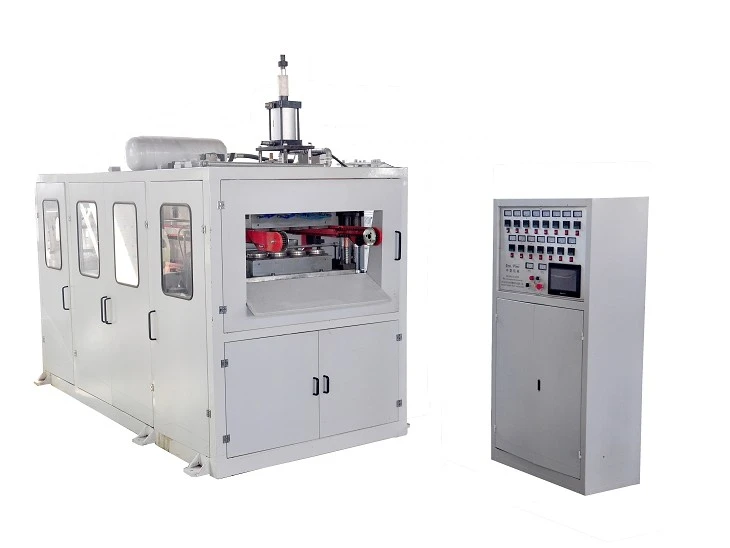

If you have any questions or would like to discuss your cup production needs further, please don't hesitate to contact us. We'd be happy to help you find the right solution for your business.
References
- Smith, J. (2020). Plastic Cup Manufacturing: A Comprehensive Guide. New York: ABC Publishing.
- Johnson, M. (2019). Quality Control in Plastic Cup Production. Journal of Plastic Manufacturing, 15(2), 45-52.
- Brown, S. (2018). Thermoforming Technology for Plastic Cup Production. London: XYZ Press.


