


Hey there! As a supplier of Plastic Tea Cup Making Machines, I know how important it is to get that perfect surface finish on the tea cups you produce. A smooth and shiny surface not only makes the cups look more appealing but also enhances the overall user experience. In this blog post, I'm gonna share some tips and tricks on how to improve the surface finish of the tea cups made by your plastic tea cup making machine.
Understanding the Basics
Before we dive into the specific techniques, let's first understand what affects the surface finish of plastic tea cups. There are several factors at play here, including the type of plastic material used, the machine settings, and the post-processing steps.
The plastic material you choose can have a significant impact on the surface finish. Some plastics, like polypropylene (PP), are known for their excellent surface smoothness and gloss. On the other hand, materials with a higher filler content or lower quality may result in a rougher finish. So, it's crucial to select the right plastic material for your tea cups.
The machine settings also play a vital role in achieving a good surface finish. Parameters such as temperature, pressure, and cooling time need to be carefully adjusted to ensure that the plastic flows smoothly into the mold and cools evenly. Any inconsistencies in these settings can lead to defects like sink marks, warping, or uneven surfaces.
Optimizing the Machine Settings
Now that we know the basics, let's talk about how to optimize the machine settings for a better surface finish. Here are some key points to keep in mind:
Temperature Control: Maintaining the right temperature is crucial for the plastic to flow properly and fill the mold evenly. Too high a temperature can cause the plastic to degrade, while too low a temperature can result in incomplete filling and a rough surface. Make sure to follow the manufacturer's recommendations for the specific plastic material you're using.
Pressure Adjustment: The pressure applied during the molding process helps to ensure that the plastic completely fills the mold and adheres to its surface. Adjust the pressure according to the size and shape of the tea cups, as well as the viscosity of the plastic. Higher pressure may be required for more complex designs or thicker-walled cups.
Cooling Time: Proper cooling is essential for the plastic to solidify and retain its shape. If the cooling time is too short, the cups may warp or have a distorted surface. On the other hand, over-cooling can lead to longer cycle times and increased energy consumption. Experiment with different cooling times to find the optimal setting for your machine and plastic material.
Improving the Mold Design
The design of the mold also has a significant impact on the surface finish of the tea cups. Here are some tips to improve the mold design:
Smooth Surface Finish: Ensure that the mold surface is smooth and free of any scratches or imperfections. A rough mold surface can transfer to the plastic cups, resulting in a poor finish. Consider using polished molds or applying a surface coating to enhance the smoothness.
Proper Venting: Adequate venting is necessary to allow the air to escape from the mold during the molding process. Without proper venting, air traps can form, leading to surface defects such as bubbles or voids. Make sure the mold has sufficient vents to prevent these issues.
Draft Angles: Incorporating draft angles into the mold design helps to facilitate the ejection of the cups from the mold. The draft angles should be appropriate for the plastic material and the shape of the cups to avoid any sticking or damage during ejection.
Post-Processing Techniques
In addition to optimizing the machine settings and mold design, post-processing techniques can also be used to improve the surface finish of the tea cups. Here are some common post-processing methods:
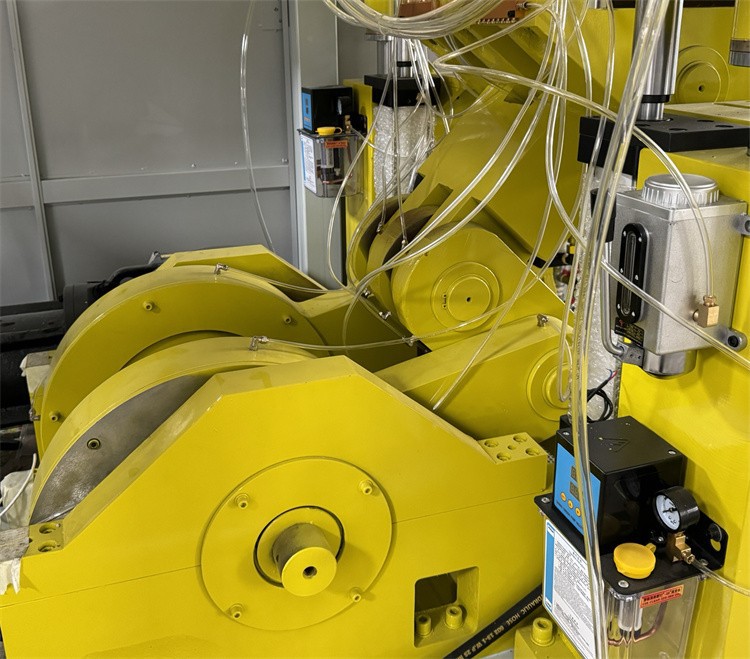

Polishing: Polishing is a great way to enhance the gloss and smoothness of the plastic cups. You can use a variety of polishing methods, such as mechanical polishing, chemical polishing, or flame polishing. Each method has its own advantages and disadvantages, so choose the one that best suits your needs and the type of plastic material.
Coating: Applying a thin coating to the surface of the cups can improve their appearance and provide additional protection. There are different types of coatings available, including clear coatings, printed coatings, and anti-scratch coatings. Consider the specific requirements of your product and the target market when selecting a coating.
Cleaning and Inspection: After the cups are produced, it's important to clean them thoroughly to remove any debris or contaminants. Use a mild detergent and a soft cloth to clean the cups, and then inspect them carefully for any defects or imperfections. Any cups that do not meet the quality standards should be discarded or reworked.
Using the Right Ancillary Equipment
In some cases, using the right ancillary equipment can also help to improve the surface finish of the tea cups. For example, a Plastic Lid Machine can be used to produce high-quality lids that fit perfectly on the cups. A Pp Glass Making Machine can be used to produce cups with a more consistent wall thickness and better surface finish. And a Disposable Plastic Plate Cup Thermoforming Machine can be used to produce cups with a more complex shape and design.
Conclusion
Improving the surface finish of the tea cups produced by a plastic tea cup making machine requires a combination of factors, including the selection of the right plastic material, the optimization of the machine settings, the improvement of the mold design, the use of post-processing techniques, and the use of the right ancillary equipment. By following the tips and tricks outlined in this blog post, you can significantly enhance the quality and appearance of your tea cups, making them more competitive in the market.
If you're interested in learning more about our plastic tea cup making machines or have any questions about improving the surface finish of your tea cups, feel free to reach out to us. We'd be more than happy to help you find the best solutions for your business.
References
- Plastic Processing Handbook
- Injection Molding Technology Guide
- Thermoforming Best Practices


