


Maintaining the molds of a plastic glass machine is crucial for ensuring the quality of the plastic glasses produced and the overall efficiency of the manufacturing process. As a supplier of Plastic Glass Machines, I understand the significance of proper mold maintenance, and I'm here to share some valuable insights on how to achieve this.
Understanding the Importance of Mold Maintenance
Molds are the heart of a plastic glass machine. They determine the shape, size, and quality of the plastic glasses. Over time, continuous use can lead to wear and tear, which may result in defects in the produced glasses. These defects can range from minor cosmetic issues to major structural problems, affecting the marketability of the products. Additionally, poorly maintained molds can cause the machine to operate less efficiently, leading to increased energy consumption and production downtime.
Regular Cleaning
One of the most basic yet essential steps in mold maintenance is regular cleaning. After each production run, it is important to clean the molds to remove any plastic residue, dust, or debris. This can be done using a soft brush and a mild cleaning solution. Avoid using abrasive materials or harsh chemicals, as they can damage the mold surface.
For more stubborn residues, a specialized mold cleaning agent can be used. However, it is important to follow the manufacturer's instructions carefully when using these agents. After cleaning, the molds should be thoroughly dried to prevent rust and corrosion.

Inspection for Wear and Damage
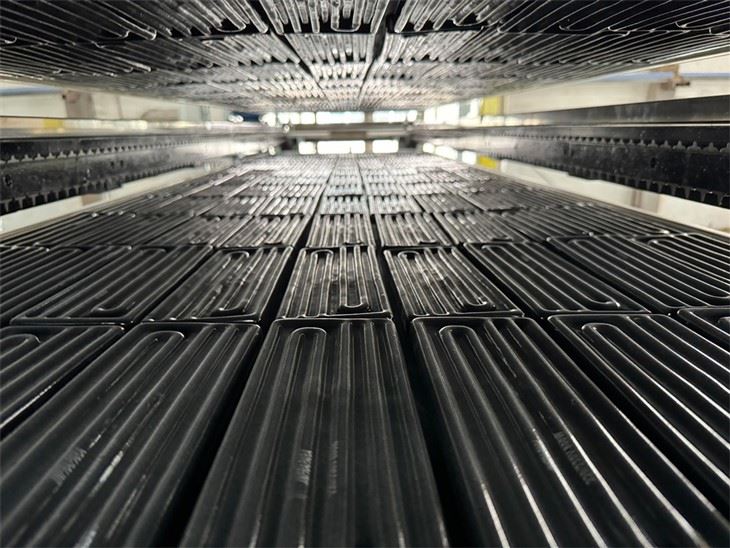
Regular inspections are necessary to detect any signs of wear and damage in the molds. Look for cracks, scratches, or any other visible defects on the mold surface. These can affect the quality of the plastic glasses and may require immediate attention.
In addition to visual inspections, it is also recommended to use non - destructive testing methods such as ultrasonic testing or dye penetrant testing. These methods can help detect internal defects that may not be visible to the naked eye. If any defects are found, they should be repaired as soon as possible to prevent further damage.
Lubrication
Proper lubrication is essential for the smooth operation of the molds. Lubricants help reduce friction between moving parts, which can prevent premature wear and tear. When choosing a lubricant, it is important to select one that is compatible with the mold material and the plastic used in the production process.
Apply the lubricant according to the manufacturer's recommendations. Over - lubrication can also cause problems, such as attracting dust and debris, so it is important to use the right amount.
Temperature Control
Maintaining the correct temperature is crucial for the performance and longevity of the molds. Plastic glass machines typically operate at high temperatures, and the molds need to be able to withstand these conditions. However, excessive heat can cause the mold material to expand and contract, leading to stress and potential damage.
Use a temperature control system to ensure that the molds are operating within the recommended temperature range. This can help prevent thermal stress and extend the life of the molds.
Storage
When the plastic glass machine is not in use, proper storage of the molds is important. Store the molds in a clean, dry, and temperature - controlled environment. This can prevent rust, corrosion, and other forms of damage.
It is also a good idea to cover the molds with a protective coating or a plastic sheet to prevent dust and debris from accumulating on the surface. Additionally, make sure the molds are stored in a way that they are not subject to any mechanical stress or pressure.
Training for Operators
Proper training for machine operators is essential for effective mold maintenance. Operators should be trained on how to clean, inspect, lubricate, and store the molds correctly. They should also be aware of the signs of potential problems and know when to report them.
Regular training sessions can help keep operators up - to - date with the latest maintenance techniques and best practices. This can lead to better - maintained molds and improved overall production efficiency.
The Role of Quality Parts
Using high - quality parts in the plastic glass machine and its molds can significantly contribute to their longevity and performance. When it comes to replacing parts, always choose parts that are specifically designed for your machine and molds. This ensures compatibility and reduces the risk of damage.
As a supplier, we offer a range of high - quality parts for our Plastic Cup Machine, Pp Cup Thermoforming Machine, and Plastic Cup Making Machine. These parts are manufactured to strict quality standards, ensuring reliable performance and long - term durability.
Preventive Maintenance Schedule
Developing a preventive maintenance schedule is an effective way to ensure that all aspects of mold maintenance are carried out regularly. This schedule should include tasks such as cleaning, inspection, lubrication, and temperature checks.
By following a preventive maintenance schedule, you can identify and address potential problems before they become major issues. This can save time, money, and resources in the long run.
Conclusion
Maintaining the molds of a plastic glass machine is a multi - faceted process that requires attention to detail and regular upkeep. By following the steps outlined above, you can ensure that your molds remain in good condition, producing high - quality plastic glasses consistently.
As a leading supplier of plastic glass machines, we are committed to providing our customers with the best - in - class equipment and support. If you are interested in learning more about our Plastic Cup Machine, Pp Cup Thermoforming Machine, or Plastic Cup Making Machine, or if you have any questions about mold maintenance, please feel free to contact us. We look forward to discussing your needs and helping you achieve optimal production results.
References
- "Mold Maintenance Handbook" - A comprehensive guide on mold maintenance techniques and best practices.
- Industry standards and guidelines for plastic glass machine manufacturing and mold maintenance.


