


Hey there! As a supplier of Thermoforming Cup Machines, I've seen firsthand how energy consumption can be a real pain point for businesses. High energy bills not only eat into your profits but also aren't great for the environment. In this blog, I'm gonna share some tips on how to optimize the energy consumption of a thermoforming cup machine.

Understanding the Energy Hogs
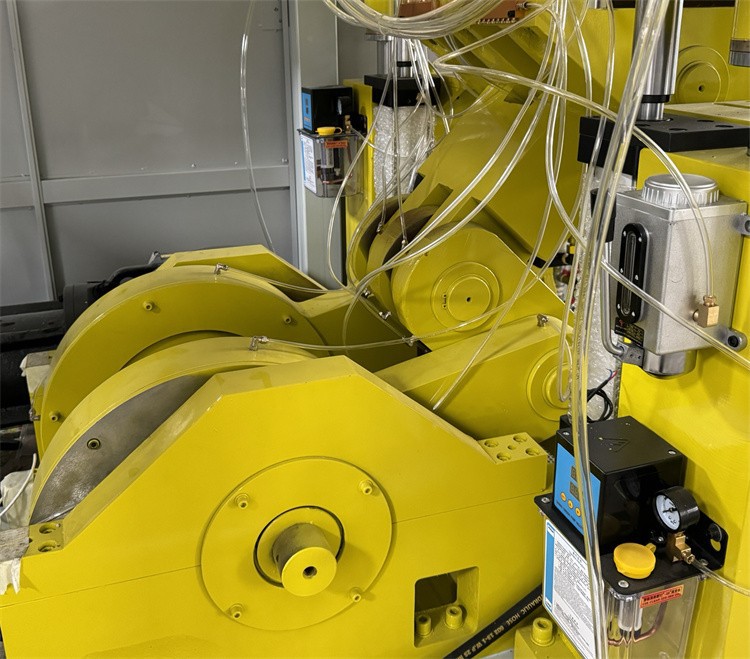
First things first, let's take a look at what parts of the thermoforming cup machine guzzle the most energy. The heating system is usually the biggest culprit. It needs to heat up the plastic sheets to the right temperature for forming, and that takes a lot of power. The motors that drive the machine, like the ones for the conveyor belts and the forming mechanisms, also use a fair amount of energy. And don't forget about the cooling system, which is essential for solidifying the formed cups but can also be a significant energy consumer.
Optimize the Heating System
One of the most effective ways to cut down on energy use is to optimize the heating system. Make sure the heating elements are in good condition. Over time, they can wear out and become less efficient, meaning they need more energy to reach the same temperature. Regular maintenance and replacement of worn - out elements can go a long way.
Another tip is to use a precise temperature control system. Modern thermoforming cup machines often come with advanced temperature sensors and controllers. These can accurately monitor and adjust the temperature, so you're not over - heating the plastic sheets. For example, if you're using a Disposable Plastic Cup Making Machine, setting the right temperature can save a ton of energy.
You can also consider using insulation around the heating area. This helps to keep the heat in, reducing the amount of energy needed to maintain the desired temperature. Insulation materials like fiberglass or ceramic fiber can be effective and are relatively easy to install.
Efficient Motor Operation
The motors in your thermoforming cup machine are crucial for its operation, but they can also be energy - hungry. To optimize their energy consumption, start by choosing the right size of motors. If you have motors that are too large for the task, they'll use more energy than necessary. On the other hand, motors that are too small will struggle to perform the job and may also end up using more energy in the long run.
Variable Frequency Drives (VFDs) are a great addition to your machine. VFDs allow you to adjust the speed of the motors according to the actual load. For instance, when the machine is not operating at full capacity, the motors can run at a lower speed, consuming less energy. This is especially useful for Disposable Cup Machine operations where the workload can vary throughout the day.
Regular motor maintenance is also important. Keep the motors clean and well - lubricated. Dirty or poorly lubricated motors have to work harder, which means more energy consumption. Check the belts and pulleys that are connected to the motors. Loose or misaligned belts can cause the motors to work inefficiently.
Cooling System Optimization
The cooling system is essential for getting the formed cups to the right temperature quickly. But it doesn't have to be a huge energy drain. One way to optimize it is to use a closed - loop cooling system. This recirculates the coolant, reducing the need for constant water supply and saving energy.
You can also adjust the cooling time based on the type of plastic and the size of the cups. Some plastics cool down faster than others, so there's no need to keep the cooling system running for longer than necessary. For example, if you're using a Pp Glass Making Machine to make thinner plastic glasses, they'll cool down quicker than thicker ones.
Machine Scheduling and Idle Time
Proper machine scheduling can have a big impact on energy consumption. Try to run your thermoforming cup machine in batches. This way, you can minimize the number of times the machine has to start up and shut down. Starting up a machine often requires a large amount of energy, so reducing these cycles can save a significant amount.
When the machine is not in use, put it into an idle or standby mode. Most modern machines have this feature, which reduces the energy consumption to a minimum while still keeping the essential systems ready for operation.
Staff Training
Your staff plays a crucial role in energy optimization. Make sure they are trained on how to operate the thermoforming cup machine efficiently. Teach them about the importance of temperature settings, motor operation, and proper use of the cooling system. Simple things like turning off unnecessary lights and equipment in the machine area can also add up to significant energy savings.
Monitoring and Analysis
Finally, it's important to monitor the energy consumption of your thermoforming cup machine. Use energy meters to track how much energy the machine is using over time. Analyze the data to identify patterns and areas where you can make further improvements. For example, if you notice that the energy consumption spikes at a certain time of the day, you can investigate what's causing it and take corrective action.
In conclusion, optimizing the energy consumption of a thermoforming cup machine is a multi - faceted process. By focusing on the heating system, motors, cooling system, scheduling, staff training, and monitoring, you can significantly reduce energy costs and make your operations more sustainable.
If you're interested in learning more about how our thermoforming cup machines can help you save energy or if you're looking to purchase a new machine, I encourage you to reach out for a purchase negotiation. We're always happy to discuss your specific needs and find the best solutions for your business.
References
- "Energy Efficiency in Plastic Processing Machinery" - Industry Report
- "Handbook of Thermoforming Technology" - Technical Publication


