


Hey there! As a supplier of cup manufacturing machines, I've seen firsthand the importance of optimizing the production process. It's not just about making cups; it's about making them efficiently, cost - effectively, and with high quality. In this blog, I'll share some tips on how to optimize the production process of a cup manufacturing machine.
1. Machine Selection
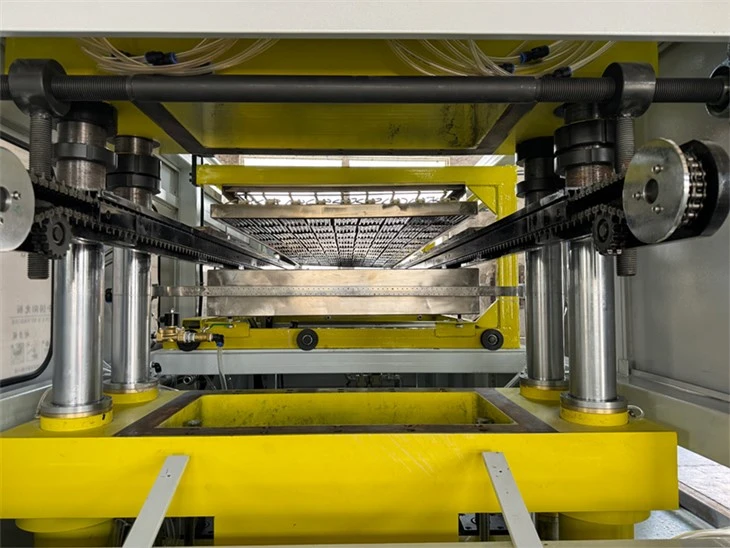
First things first, choosing the right machine is crucial. There are different types of cup manufacturing machines out there, like the Plastic Cup Making Machine Price. This machine is great for making disposable plastic cups, which are in high demand in the market. If you're into making coffee cups, then the Coffee Cup Machine might be your go - to. It's designed specifically to meet the needs of the coffee - serving industry. And for those who want to produce disposable cups, the Disposable Cup Machine is a solid choice.
When selecting a machine, consider factors such as production capacity, cup size and shape flexibility, and energy consumption. A machine with a high production capacity can help you meet large orders in a shorter time. And if you want to offer a variety of cup sizes and shapes to your customers, make sure the machine can handle that. Energy - efficient machines can also save you a lot of money in the long run.
2. Raw Material Management
The quality of your raw materials directly affects the quality of the cups you produce. You need to source high - quality plastic sheets or other materials from reliable suppliers. Make sure the materials meet the required standards for food contact if you're making cups for food or beverage use.
Inventory management is also important. You don't want to run out of raw materials in the middle of production, but you also don't want to overstock and tie up too much capital. Keep track of your usage rate and place orders in a timely manner. You can also establish good relationships with your suppliers to get better prices and more reliable delivery schedules.
3. Operator Training
Your machine is only as good as the person operating it. Proper operator training is essential for optimizing the production process. Train your operators on how to operate the machine safely and efficiently. They should know how to set up the machine for different cup sizes and shapes, how to troubleshoot common problems, and how to perform routine maintenance.
Regular refresher courses can also be beneficial. Technology is constantly evolving, and new features and improvements are being made to cup manufacturing machines all the time. By keeping your operators up - to - date, you can ensure that they're using the machine to its full potential.
4. Maintenance and Upgrades
Regular maintenance is key to keeping your cup manufacturing machine running smoothly. Create a maintenance schedule and stick to it. This includes cleaning the machine, lubricating moving parts, and checking for any signs of wear and tear. Replace worn - out parts as soon as possible to prevent breakdowns and production delays.
In addition to maintenance, consider upgrading your machine when necessary. Newer models often come with improved features such as better energy efficiency, higher production speeds, and more precise control. Upgrading can help you stay competitive in the market and improve your overall production process.
5. Quality Control
Quality control should be an integral part of your production process. Set up quality control checkpoints at different stages of production. Inspect the raw materials before they're used, check the cups during the manufacturing process, and perform a final inspection before the cups are packed and shipped.
Use quality control tools such as calipers to measure the thickness of the cups, and visual inspection to check for any defects like cracks or uneven surfaces. By ensuring high - quality products, you can build a good reputation in the market and increase customer satisfaction.
6. Process Automation
Automation can significantly improve the efficiency of your cup manufacturing process. Many modern cup manufacturing machines come with automated features such as automatic feeding, cutting, and stacking. These features can reduce the need for manual labor, increase production speed, and improve the consistency of the cups.
You can also consider implementing a more comprehensive automation system, such as a computer - integrated manufacturing (CIM) system. This system can integrate all aspects of your production process, from raw material management to quality control, and can provide real - time data and analytics to help you make better decisions.
7. Lean Manufacturing Principles
Applying lean manufacturing principles can help you eliminate waste and improve the overall efficiency of your production process. Identify and eliminate non - value - added activities such as excessive inventory, unnecessary movement of materials, and long setup times.
Use techniques like 5S (Sort, Set in Order, Shine, Standardize, Sustain) to organize your workspace and make it more efficient. By adopting lean manufacturing principles, you can reduce costs, improve quality, and increase customer satisfaction.
8. Data Analysis
Collecting and analyzing data from your production process can provide valuable insights. You can track metrics such as production speed, energy consumption, and defect rates. By analyzing this data, you can identify areas for improvement and make data - driven decisions.
For example, if you notice that the defect rate is higher during a certain shift, you can investigate the cause, such as operator error or a problem with the machine. Data analysis can also help you predict maintenance needs and optimize your production schedule.
9. Supply Chain Optimization
Your supply chain plays a crucial role in the production process. Work closely with your suppliers to ensure a smooth flow of raw materials. You can also collaborate with your customers to understand their demand patterns and adjust your production accordingly.

Consider using a just - in - time (JIT) inventory system to reduce inventory costs. With a JIT system, you receive raw materials just in time for production, which can minimize storage space and reduce the risk of inventory obsolescence.
10. Continuous Improvement
Optimizing the production process of a cup manufacturing machine is an ongoing process. You should always be looking for ways to improve. Encourage your employees to suggest ideas for improvement, and be open to trying new technologies and methods.
By continuously improving your production process, you can stay ahead of the competition, reduce costs, and increase customer satisfaction.
In conclusion, optimizing the production process of a cup manufacturing machine requires a holistic approach. From machine selection to continuous improvement, every aspect of the process matters. If you're interested in learning more about our cup manufacturing machines or have any questions about optimizing your production process, feel free to reach out. We're here to help you take your cup production to the next level.
References
- Manufacturing Engineering Handbook, various authors
- Lean Manufacturing for Dummies, Jeff Hajek and Bruce Williams
- Quality Control in Manufacturing, John Doe


