


Static electricity is a common yet troublesome issue in thermoforming equipment. As a seasoned Thermoforming Equipment hyperlink: Thermoforming Equipment supplier, I've witnessed firsthand how static electricity can disrupt the production process, affect product quality, and even pose safety risks. In this blog, I'll share some effective strategies to prevent static electricity in thermoforming equipment, ensuring smooth and efficient operations.
Understanding the Causes of Static Electricity in Thermoforming
Before delving into prevention methods, it's crucial to understand how static electricity is generated in thermoforming processes. Static electricity is typically created when two materials come into contact and then separate, causing a transfer of electrons. In thermoforming, this can occur in several ways:
- Friction: When plastic sheets move across conveyor belts, rollers, or other surfaces, friction can generate static charges. The high - speed movement of materials during the forming process exacerbates this effect.
- Separation: As the formed plastic products are ejected from the molds or separated from other components, static electricity can build up due to the sudden separation of materials.
- Induction: Electrical fields from nearby equipment or power sources can induce static charges on the plastic sheets and equipment surfaces.
The Impact of Static Electricity on Thermoforming
Static electricity can have several negative impacts on thermoforming operations:
- Product Quality: Static charges can attract dust and debris to the plastic sheets, resulting in contaminated products. It can also cause uneven forming, as the static forces may interfere with the proper flow of the plastic during the heating and molding process.
- Production Efficiency: Static electricity can cause plastic sheets to stick together, making it difficult to feed them into the thermoforming machine. This can lead to jams, downtime, and increased labor costs for clearing the blockages.
- Safety Risks: In extreme cases, static discharges can create sparks, which pose a fire hazard, especially in environments where flammable materials are present. Additionally, static shocks can be uncomfortable and potentially dangerous for operators.
Preventive Measures
Grounding
Grounding is one of the most fundamental and effective ways to prevent static electricity. All thermoforming equipment, including the machine frames, conveyor belts, and metal components, should be properly grounded. This provides a path for the static charges to flow safely to the ground, preventing their accumulation.
- Regular Inspections: Conduct regular inspections of the grounding system to ensure that all connections are secure and that there are no breaks or corrosion in the grounding wires.
- Grounding Straps: Use grounding straps on mobile equipment or components that may come into contact with the plastic sheets, such as handheld tools or adjustable parts.
Humidity Control
Maintaining an appropriate level of humidity in the thermoforming environment can significantly reduce static electricity. Higher humidity levels help to dissipate static charges by allowing the moisture in the air to conduct electricity.
- Humidifiers: Install humidifiers in the production area to increase the humidity to a level between 40% and 60%. This range is generally considered optimal for minimizing static electricity while still preventing mold growth and other moisture - related issues.
- Monitoring: Use humidity sensors to continuously monitor the humidity levels and adjust the humidifiers accordingly.
Anti - Static Materials
Using anti - static materials in the thermoforming process can help prevent static build - up.
- Anti - Static Plastic Sheets: Some plastic sheets are treated with anti - static agents during the manufacturing process. These agents reduce the surface resistance of the plastic, allowing static charges to dissipate more easily.
- Anti - Static Conveyor Belts and Rollers: Replace standard conveyor belts and rollers with anti - static versions. These materials are designed to minimize the generation of static electricity through friction.
Ionization
Ionization is a process that neutralizes static charges by introducing ions into the air.
- Ionizing Bars: Install ionizing bars near the plastic sheets and equipment surfaces where static electricity is likely to build up. These bars emit a stream of positive and negative ions, which attach to the static charges on the materials, neutralizing them.
- Ionizing Blowers: For larger areas or when a more concentrated stream of ions is needed, ionizing blowers can be used. They blow ionized air over the plastic sheets and equipment, effectively removing static charges.
Operational Practices
Proper operational practices can also contribute to static electricity prevention.
- Slow and Steady Movement: Avoid rapid movements of plastic sheets and equipment components. Slow and smooth handling reduces friction and the likelihood of static charge generation.
- Cleaning: Regularly clean the thermoforming equipment and the production area to remove dust and debris that can contribute to static electricity. Use anti - static cleaning agents to prevent the re - accumulation of static charges.
Case Studies
Let's take a look at some real - world examples of how these preventive measures have been successfully implemented in thermoforming operations.

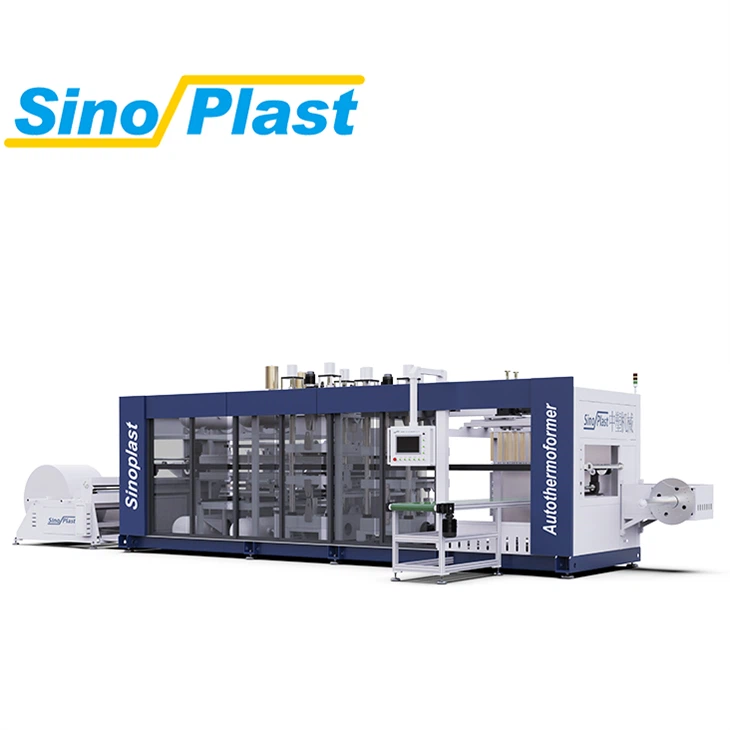
A small - scale thermoforming company was experiencing frequent product quality issues due to static electricity. They implemented a comprehensive static prevention program that included grounding all equipment, installing a humidifier in the production area, and using anti - static plastic sheets. As a result, the number of defective products decreased by 70%, and the production efficiency increased by 30%.
Another medium - sized thermoforming facility was facing safety risks due to static discharges. They installed ionizing bars and blowers throughout the production line and conducted regular grounding inspections. This not only eliminated the fire hazard but also improved the working conditions for the operators.
Conclusion
Preventing static electricity in thermoforming equipment is essential for ensuring product quality, production efficiency, and operator safety. By understanding the causes and impacts of static electricity and implementing a combination of preventive measures such as grounding, humidity control, using anti - static materials, ionization, and proper operational practices, thermoforming operations can run smoothly and without the disruptions caused by static charges.
If you're in the market for high - quality hyperlink: Thermoforming Equipment, hyperlink: Plastic Container Machine, or hyperlink: Plastic Dish Making Machine, and want to learn more about how to prevent static electricity in your thermoforming processes, don't hesitate to reach out. We're here to provide you with the best solutions and support for your thermoforming needs. Contact us to start a discussion about your requirements and explore how our equipment can meet your production goals.
References
- "Static Electricity Handbook" by Electro - Static Technology, Inc.
- "Thermoforming: Principles and Practice" by John H. Mallon.
- Industry reports from leading thermoforming equipment manufacturers and trade associations.


