


Hey there! I'm a supplier of Plastic Cup Machines, and I know how frustrating it can be to deal with a high waste rate. It not only eats into your profits but also has a negative impact on the environment. In this blog, I'm gonna share some tips on how to reduce the waste rate of a plastic cup machine.
1. Regular Maintenance and Inspection
First things first, regular maintenance is key. Just like your car needs an oil change and tune - up, your plastic cup machine needs some TLC too. Make sure to clean the machine regularly. Dust, debris, and leftover plastic can build up over time and cause all sorts of problems. For example, clogged nozzles can lead to uneven plastic distribution, resulting in defective cups.
Inspect all the parts of the machine frequently. Check the molds for any signs of wear and tear. If the molds are damaged, the cups they produce might have cracks, holes, or uneven edges. Replace any worn - out parts immediately. A small investment in a new part can save you from a lot of wasted plastic in the long run.
2. Optimize the Plastic Material
The type and quality of plastic you use can have a huge impact on the waste rate. Choose a high - quality plastic that is suitable for your specific cup - making process. Different plastics have different melting points, flow properties, and shrinkage rates. Using the wrong plastic can lead to issues like warping, cracking, or incomplete filling of the molds.
Also, make sure to store the plastic properly. Exposure to moisture, heat, or sunlight can degrade the plastic and make it less suitable for cup production. Keep the plastic in a cool, dry place and follow the manufacturer's recommendations for storage.

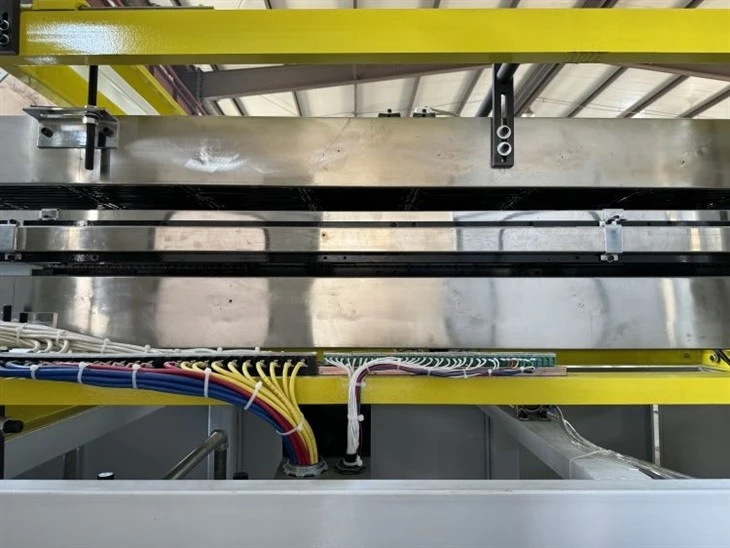
3. Adjust the Machine Settings
Proper machine settings are crucial for reducing waste. Start by setting the right temperature. If the temperature is too low, the plastic might not melt completely, resulting in cups with weak spots or rough surfaces. On the other hand, if the temperature is too high, the plastic can burn or become too thin, leading to cups that are too flimsy or have holes.
The pressure settings are also important. Incorrect pressure can cause the plastic to overflow or not fill the molds properly. Experiment with different settings to find the optimal combination for your machine and the type of cups you're making.
4. Train Your Operators
Your machine operators play a vital role in reducing the waste rate. Make sure they are well - trained on how to operate the plastic cup machine correctly. They should know how to load the plastic, adjust the settings, and troubleshoot common problems.
Provide regular training sessions to keep them updated on the latest techniques and best practices. Encourage them to pay attention to the production process and report any issues immediately. A well - trained operator can spot problems early on and take corrective action before a large number of defective cups are produced.
5. Implement Quality Control Measures
Set up a quality control system to catch defective cups before they leave the production line. You can use visual inspection, measurement tools, or automated sensors to check the cups for defects. For example, you can measure the thickness, diameter, and height of the cups to ensure they meet the required specifications.
Establish clear quality standards and communicate them to your operators. If a cup doesn't meet the standards, it should be removed from the production line and recycled or discarded properly. By catching defective cups early, you can prevent them from being packaged and shipped, which would only add to the waste.
6. Upgrade Your Machine
If your plastic cup machine is old or outdated, it might be worth considering an upgrade. Newer machines often come with advanced features and technologies that can help reduce the waste rate. For example, some machines have better temperature control systems, more precise pressure regulation, and automated quality control sensors.
You can check out our Disposable Cup Machine, Plastic Cup Plate Making Machine, and Pp Glass Making Machine. These machines are designed with the latest technologies to minimize waste and improve production efficiency.
7. Recycling and Reusing
Don't just throw away the defective cups and leftover plastic. Set up a recycling system to reuse the waste material. You can grind the defective cups and leftover plastic into small pellets and use them again in the production process. This not only reduces waste but also saves on raw material costs.
However, make sure to follow the proper recycling procedures to ensure the quality of the recycled plastic. The recycled plastic might need to be mixed with a certain amount of new plastic to maintain the desired properties.
In conclusion, reducing the waste rate of a plastic cup machine requires a combination of regular maintenance, proper material selection, correct machine settings, well - trained operators, quality control measures, and sometimes an upgrade of the machine. By implementing these tips, you can not only save money but also contribute to a more sustainable environment.
If you're interested in learning more about our Plastic Cup Machines or have any questions about reducing waste in your cup - making process, feel free to reach out to us. We're here to help you optimize your production and minimize waste.
References
- Industry best practices for plastic cup machine operation
- Manufacturer's manuals for plastic cup machines
- Research on plastic material properties and processing


