


Hey there! I'm a supplier of cup making machines, and today I wanna share some tips on how to train operators for these machines. Whether you're a newbie in the cup manufacturing business or looking to upskill your existing team, this guide is gonna be super helpful.
Understanding the Basics
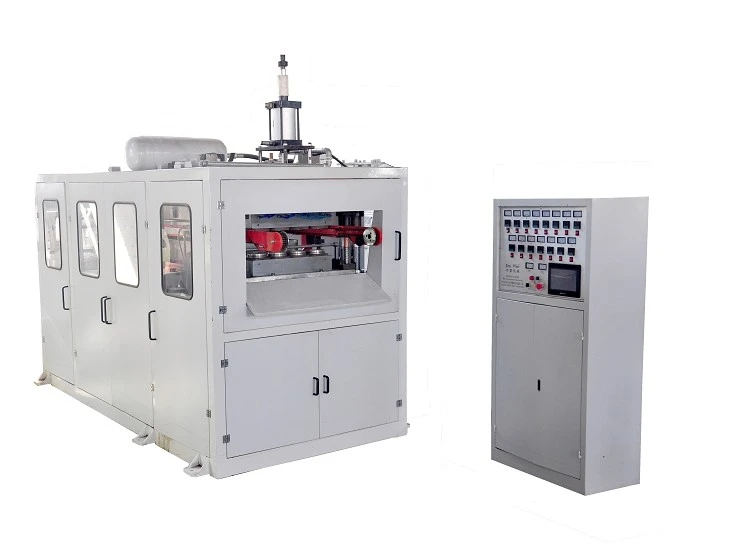
First things first, before you start training your operators, they need to have a solid understanding of the cup making machine itself. This includes its components, how it works, and its safety features. I usually start my training sessions by giving a quick tour of the machine, pointing out all the important parts like the heating elements, molds, and control panels.
It's also crucial to explain the different types of cups the machine can produce. For example, we have machines that can make plastic cups, Pp Glass Making Machine which are great for hot and cold beverages, and Disposable Cup Forming Machine for single-use applications. Knowing the capabilities of the machine helps operators better understand the production process.
Safety Training
Safety should always be the top priority when operating any machinery. I can't stress this enough! Before operators even touch the cup making machine, they need to go through comprehensive safety training. This includes wearing the appropriate personal protective equipment (PPE) like safety glasses, gloves, and earplugs.
I also teach them about the potential hazards associated with the machine, such as hot surfaces, moving parts, and electrical risks. We go over emergency procedures, like how to shut down the machine in case of an accident and where to find the first aid kit. It's better to be safe than sorry, right?
Machine Operation Training
Once the operators have a good grasp of the basics and safety procedures, it's time to dive into the actual operation of the cup making machine. I usually start with the control panel. This is where the operators will be making most of their adjustments, so it's important they understand how to use it.
I show them how to set the temperature, speed, and other parameters according to the type of cups they're making. For example, if they're using a Plastic Lid Forming Machine, they'll need to adjust the settings to ensure the lids are formed correctly.
Next, I teach them how to load the raw materials into the machine. This might seem simple, but it's actually a crucial step. If the materials aren't loaded properly, it can lead to production issues like uneven cups or machine breakdowns. I demonstrate the correct way to feed the plastic sheets or granules into the machine and make sure the operators practice it until they get it right.
Troubleshooting Training
Even with the best training, things can still go wrong. That's why it's important to train operators on how to troubleshoot common issues. I go over the most frequent problems they might encounter, like jammed molds, temperature fluctuations, and electrical glitches.
For each problem, I teach them how to identify the cause and the steps to take to fix it. For example, if the machine is producing cups with uneven walls, it could be due to a problem with the heating elements. I show them how to check the temperature settings and adjust them if necessary.

I also encourage operators to keep a log of any issues they encounter and the solutions they find. This helps them learn from their experiences and also provides valuable information for future training sessions.
Quality Control Training
Producing high-quality cups is essential for the success of any cup manufacturing business. That's why I include quality control training in my operator training program. I teach them how to inspect the cups for defects, such as cracks, holes, or uneven surfaces.
I also show them how to measure the cups to ensure they meet the required specifications. This includes checking the diameter, height, and wall thickness. If a cup doesn't meet the standards, I teach them how to reject it and make the necessary adjustments to the machine to prevent similar issues in the future.
Ongoing Training and Support
Training doesn't end after the initial sessions. It's important to provide ongoing training and support to your operators to keep them up-to-date with the latest technology and best practices. I regularly organize refresher courses and workshops to reinforce the training they've received and introduce new features and techniques.
I also encourage operators to ask questions and share their experiences. This creates a learning environment where everyone can benefit from each other's knowledge. And if they run into any problems on the job, they know they can always reach out to me for help.
Conclusion
Training operators for a cup making machine is a crucial process that requires time, effort, and patience. By following these tips, you can ensure that your operators are well-trained, safe, and capable of producing high-quality cups.
If you're in the market for a cup making machine or need more information on operator training, don't hesitate to reach out. I'm here to help you every step of the way. Let's work together to take your cup manufacturing business to the next level!
References
- Industry best practices in cup making machine operation
- Manufacturer's manuals and guidelines for cup making machines


