


Hey there! I'm a supplier in the plastic cup making industry, and I've been in this game for quite a while. Training workers for plastic cup making is no walk in the park, but it's super important to ensure a smooth production process and high - quality products. In this blog, I'll share some tips on how to train workers effectively for plastic cup making.
Understanding the Basics
First things first, workers need to understand the basics of plastic cup making. This includes getting to know the materials used. Usually, we use plastics like PET (Polyethylene Terephthalate), PP (Polypropylene), and PS (Polystyrene). Each type of plastic has its own properties, such as different melting points, flexibility, and transparency. Workers should know which plastic is suitable for different types of cups, like disposable cups, drinking cups, or food containers.
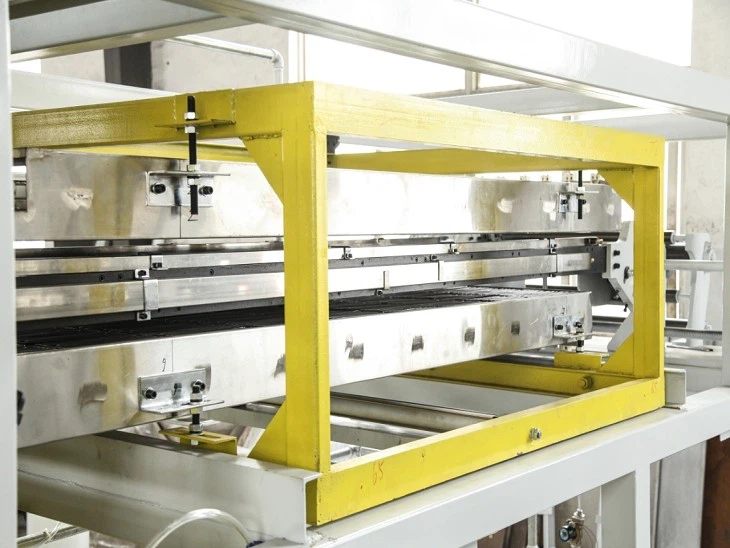
We also need to introduce them to the machinery involved. There are some key machines in the plastic cup making process. For instance, the Cup Thermoforming Machine. This machine is used to heat the plastic sheets and form them into cup shapes. It's a crucial part of the production line. Another important machine is the Plastic Lid Making Machine. As the name suggests, it's used to make the lids for the plastic cups. And the Plastic Lid Forming Machine is also essential for creating well - formed lids.

Safety Training
Safety should always be a top priority. Workers need to be trained on how to use the machinery safely. This includes wearing appropriate personal protective equipment (PPE), such as safety glasses, gloves, and ear protection. They should know how to operate the machines without getting hurt. For example, when using the thermoforming machine, they need to be careful around the heating elements to avoid burns.
We should also teach them about emergency procedures. In case of a machine malfunction or an accident, workers should know what to do. This includes how to shut down the machines quickly, where the emergency exits are, and how to use the first - aid kits. Regular safety drills can also help reinforce these skills.
Machine Operation Training
Once the workers understand the basics and safety procedures, it's time to start training them on machine operation. This is a hands - on process. We usually start with a demonstration. I'll operate the machine myself and show them the step - by - step process. For example, when using the cup thermoforming machine, I'll show them how to load the plastic sheets, set the temperature and pressure, and how to remove the formed cups.
After the demonstration, the workers get a chance to practice. At first, they may make some mistakes, but that's okay. We'll be right there to guide them. We'll correct their mistakes and explain why they're wrong. For example, if they set the temperature too high, the plastic may melt too much and the cups won't be formed properly. We'll also teach them how to troubleshoot common problems, like how to clear a jam in the lid making machine.
Quality Control Training
Producing high - quality plastic cups is crucial for our business. So, workers need to be trained on quality control. They should know how to inspect the cups for defects. This includes checking for cracks, uneven thickness, and improper sealing. For lids, they need to make sure that they fit properly on the cups.
We can set up a quality control checklist. Workers can go through this checklist for each batch of cups they produce. If they find any defective products, they should know what to do. Usually, defective cups are removed from the production line and either recycled or discarded, depending on the nature of the defect.
Teamwork and Communication Training
In a plastic cup making factory, teamwork and communication are essential. Workers need to work together to ensure a smooth production process. For example, the workers operating the thermoforming machine need to communicate with the workers handling the lid making machine to ensure that the cups and lids are produced in the right quantities and at the right time.
We can organize team - building activities to improve teamwork. These activities can help the workers get to know each other better and understand how to work together effectively. Communication training can also be provided. Workers should know how to communicate clearly with their colleagues, supervisors, and other departments.
Continuous Training and Improvement
The plastic cup making industry is constantly evolving. New materials, machines, and technologies are being developed all the time. So, continuous training is necessary. We can organize regular training sessions to update the workers' knowledge and skills. For example, if we introduce a new type of biodegradable plastic, we'll train the workers on how to work with it.
We can also encourage the workers to share their ideas for improvement. They may have some great suggestions on how to improve the production process, reduce waste, or increase efficiency. By involving them in the improvement process, they'll feel more engaged and motivated.
Conclusion
Training workers for plastic cup making is a comprehensive process. It involves teaching them the basics, safety procedures, machine operation, quality control, teamwork, and communication. And it doesn't stop there. Continuous training and improvement are also important. By investing in proper training, we can ensure that our workers are skilled and efficient, and that we produce high - quality plastic cups.
If you're interested in learning more about our plastic cup making products or if you want to discuss a potential purchase, feel free to reach out. We're always open to new business opportunities and happy to answer any questions you may have.
References
- Industry standards and guidelines for plastic cup making.
- Manufacturer's manuals for the plastic cup making machines.
- Past training materials and experiences in the plastic cup making industry.


