


Hey there! I'm a supplier of Plastic Glass Making Machines, and over the years, I've seen my fair share of common problems that can crop up with these machines. In this blog, I'm gonna walk you through how to troubleshoot some of these issues so you can keep your production running smoothly.
1. Machine Won't Start
One of the most frustrating things is when you turn the switch, and nothing happens. First off, check the power supply. Sounds simple, but it's often overlooked. Make sure the machine is properly plugged in, and there's no issue with the electrical outlet. You can try plugging another device into the same outlet to see if it works. If the outlet is fine, then it's time to look at the machine's internal wiring.
Sometimes, a loose wire can cause the machine not to start. Open up the control panel (make sure you've switched off the power first!) and check for any loose connections. If you find one, simply tighten it up. However, if you're not comfortable doing this, it's best to call in a professional.
Another possible cause could be a blown fuse. Locate the fuse box on the machine and check the fuses. If a fuse is blown, replace it with a new one of the same rating. You can usually find the correct fuse rating in the machine's manual.
2. Poor Quality Glasses
If the plastic glasses coming out of your machine are of poor quality, there could be several reasons. First, check the temperature settings. The temperature plays a crucial role in the plastic molding process. If it's too low, the plastic may not melt properly, resulting in weak or misshapen glasses. On the other hand, if it's too high, the plastic may overheat and become brittle. Refer to the machine's manual to find the optimal temperature settings for the type of plastic you're using.
The pressure settings are also important. Insufficient pressure can lead to incomplete filling of the molds, causing thin or uneven glasses. Make sure the pressure is set correctly according to the specifications of your machine. You may need to adjust it slightly based on the trial runs until you get the desired quality.
The quality of the raw material can also affect the final product. Make sure you're using high - quality plastic pellets that are suitable for your machine. Low - quality plastic may contain impurities or have inconsistent melting points, which can lead to defects in the glasses.
3. Mold Issues
Molds are a critical part of the plastic glass making process, and problems with them can cause a lot of headaches. One common issue is mold sticking. This can happen when the mold surface is dirty or not properly lubricated. Clean the mold regularly using a mild detergent and a soft cloth. After cleaning, apply a thin layer of mold release agent to prevent the plastic from sticking.
If the mold is damaged, it can result in defective glasses. Check the mold for any cracks, scratches, or wear and tear. Minor damage can sometimes be repaired, but if the damage is severe, you may need to replace the mold. You can find replacement molds from the manufacturer or a reputable supplier. For more information on different types of machines that use molds, you can check out our Disposable Plastic Cup Making Machine.
4. Feed System Problems
The feed system is responsible for delivering the plastic pellets to the machine. If there are issues with the feed, it can disrupt the production process. A common problem is blockages in the feed hopper or the feeding tube. Check the hopper for any large clumps of plastic pellets that may be blocking the flow. Break up these clumps and make sure the pellets can flow freely.
The feeding mechanism itself may also be malfunctioning. Check the conveyor belts or screws in the feed system to ensure they're working properly. If they're not moving smoothly, there could be a problem with the motor or the drive system. You may need to lubricate the moving parts or replace any worn - out components.
5. Noise and Vibration
Excessive noise and vibration can be a sign of a serious problem with the machine. First, check if the machine is properly leveled. An uneven surface can cause the machine to vibrate more than normal. Use a spirit level to check the machine's base and adjust the leveling feet if necessary.
Loose parts can also cause noise and vibration. Check all the bolts, nuts, and screws on the machine and tighten them if they're loose. If the noise persists, it could be a problem with the motor or the gears. Listen carefully to the source of the noise and try to identify the component that's causing the issue. If you're not sure, it's best to consult a technician.
6. Electrical Problems
Electrical problems can be dangerous, so it's important to handle them with care. If you notice any electrical issues such as short circuits, sparks, or erratic behavior of the control panel, switch off the machine immediately and unplug it from the power source.
Check the wiring for any signs of damage, such as frayed wires or exposed conductors. If you find any damaged wiring, do not attempt to repair it yourself unless you're a qualified electrician. Instead, contact a professional to fix the problem.
The control panel may also be malfunctioning. Check if the display is showing the correct information and if the buttons are working properly. If there are any error messages on the display, refer to the machine's manual to find out what they mean and how to fix them.
7. Maintenance Tips to Prevent Problems
Regular maintenance is key to preventing these common problems. Clean the machine after each production run to remove any plastic residues or dust. Lubricate the moving parts according to the manufacturer's recommendations to ensure smooth operation.

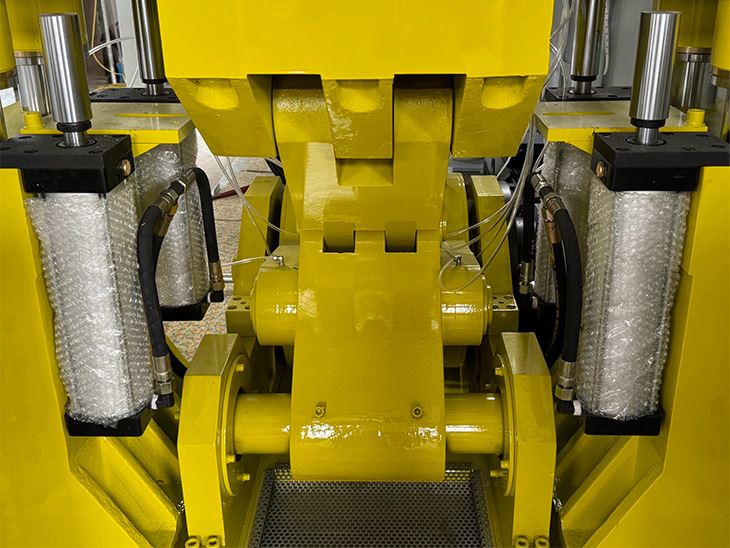
Inspect the machine regularly for any signs of wear and tear. Replace any worn - out parts before they cause a major breakdown. Keep a record of the maintenance activities, including the date, type of maintenance, and any parts that were replaced.
In conclusion, troubleshooting common problems in a plastic glass making machine requires a combination of basic knowledge, careful observation, and sometimes professional help. By following the tips in this blog, you can keep your machine running efficiently and produce high - quality plastic glasses. If you're in the market for a new Disposable Glass Manufacturing Machine or a Plastic Cup Making Machine, or if you have any questions about troubleshooting your existing machine, don't hesitate to reach out. We're here to help you with all your plastic glass making needs.
References
- Plastic Glass Making Machine User Manuals
- Industry - specific technical guides on plastic molding machines


