


In the dynamic landscape of manufacturing, the efficiency and performance of thermoforming equipment play a pivotal role in determining the success of businesses. As a seasoned supplier of thermoforming equipment, I've witnessed firsthand the transformative impact that upgrading these machines can have on production processes. In this blog, I'll share valuable insights on how to upgrade thermoforming equipment, drawing on my experience and industry knowledge.
Understanding the Need for Upgrades
Before delving into the upgrade process, it's essential to understand why upgrading thermoforming equipment is necessary. Over time, technology evolves, and new advancements are made that can significantly enhance the performance, efficiency, and capabilities of thermoforming machines. Upgrading can also help businesses stay competitive in the market by improving product quality, reducing production costs, and increasing productivity.
One of the primary reasons for upgrading thermoforming equipment is to improve energy efficiency. Older machines may consume more energy than newer models, leading to higher operating costs. By upgrading to energy-efficient equipment, businesses can reduce their energy consumption and lower their carbon footprint. Additionally, energy-efficient machines often have advanced features that can improve the overall performance of the thermoforming process, such as better temperature control and faster cycle times.
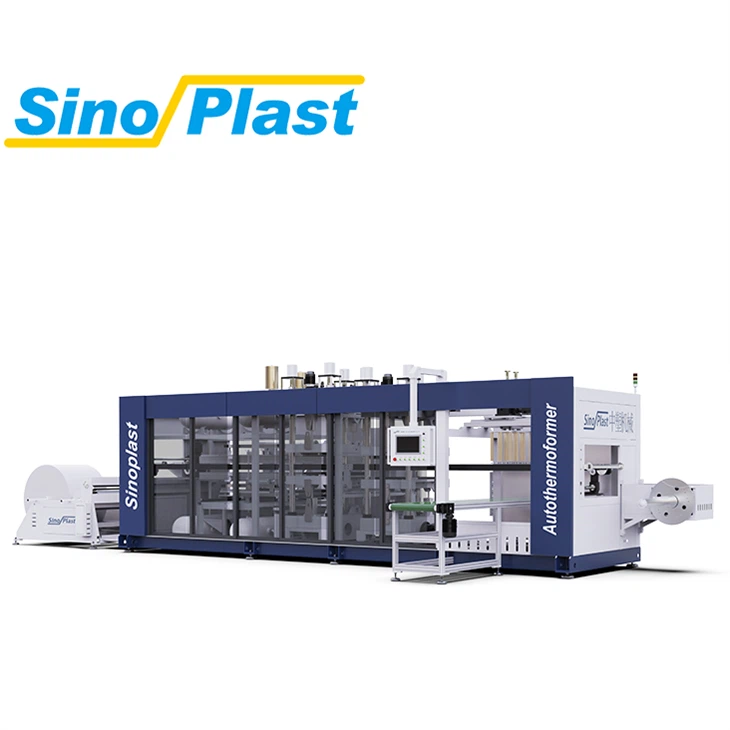

Another reason for upgrading is to enhance product quality. Newer thermoforming equipment may have advanced features that can improve the accuracy and consistency of the forming process, resulting in higher-quality products. For example, some machines may have advanced sensors and controls that can monitor and adjust the temperature, pressure, and other parameters in real-time, ensuring that each product is formed to the exact specifications.
Upgrading can also help businesses increase productivity. Newer machines may have faster cycle times, allowing them to produce more products in less time. Additionally, some machines may have advanced automation features that can reduce the need for manual labor, further increasing productivity and reducing labor costs.
Assessing Your Current Equipment
The first step in upgrading thermoforming equipment is to assess your current machines. This involves evaluating their performance, capabilities, and condition to determine which areas need improvement. Here are some key factors to consider when assessing your equipment:
- Age and Condition: The age and condition of your equipment can have a significant impact on its performance and reliability. Older machines may be more prone to breakdowns and require more frequent maintenance, which can increase downtime and production costs. If your equipment is more than 10 years old, it may be time to consider upgrading.
- Performance and Efficiency: Evaluate the performance and efficiency of your equipment by measuring its cycle times, energy consumption, and product quality. Compare these metrics to industry benchmarks to determine how your equipment stacks up. If your equipment is underperforming, upgrading may be necessary to improve its efficiency and productivity.
- Capabilities and Features: Consider the capabilities and features of your equipment to determine if they meet your current and future production needs. For example, if you're planning to expand your product line or increase production volume, you may need a machine with more advanced features or higher capacity.
- Maintenance and Repair History: Review the maintenance and repair history of your equipment to identify any recurring issues or problems. If your equipment requires frequent repairs or maintenance, upgrading may be a cost-effective solution in the long run.
Researching Upgrades
Once you've assessed your current equipment, the next step is to research upgrades that can improve its performance and capabilities. There are several types of upgrades available for thermoforming equipment, including:
- Control System Upgrades: Upgrading the control system of your equipment can improve its accuracy, consistency, and efficiency. Newer control systems may have advanced features such as touchscreen interfaces, programmable logic controllers (PLCs), and real-time monitoring and diagnostics.
- Heating and Cooling System Upgrades: Upgrading the heating and cooling systems of your equipment can improve the temperature control and cycle times of the forming process. Newer systems may use advanced technologies such as infrared heating, hot air heating, and water cooling to provide more precise and efficient temperature control.
- Mold and Tooling Upgrades: Upgrading the molds and tooling of your equipment can improve the quality and consistency of the formed products. Newer molds and tooling may be made from advanced materials such as aluminum or steel, and may have more precise machining and finishing to ensure a better fit and finish.
- Automation Upgrades: Upgrading your equipment with automation features can improve productivity and reduce labor costs. Automation features may include robotic loading and unloading, conveyor systems, and automatic stacking and packaging.
When researching upgrades, it's important to consider your specific production needs and budget. Look for upgrades that are compatible with your existing equipment and that can provide the greatest return on investment. Additionally, consider working with a reputable supplier who can provide you with expert advice and support throughout the upgrade process.
Choosing the Right Supplier
Choosing the right supplier is crucial when upgrading thermoforming equipment. A reputable supplier can provide you with high-quality equipment, expert advice, and reliable support throughout the upgrade process. Here are some key factors to consider when choosing a supplier:
- Experience and Expertise: Look for a supplier with extensive experience and expertise in the thermoforming industry. A supplier with a proven track record of success can provide you with the knowledge and support you need to make informed decisions about your upgrade.
- Product Quality and Range: Consider the quality and range of products offered by the supplier. Look for a supplier who offers high-quality equipment that is designed to meet your specific production needs. Additionally, consider the supplier's product range to ensure that they can provide you with all the equipment and upgrades you need.
- Customer Service and Support: Choose a supplier who provides excellent customer service and support. A supplier who is responsive to your needs and concerns can help you ensure that your upgrade is completed on time and within budget. Additionally, look for a supplier who offers training and technical support to help you get the most out of your new equipment.
- Price and Value: While price is an important factor to consider, it's not the only one. Look for a supplier who offers high-quality equipment at a competitive price. Additionally, consider the value that the supplier provides, such as warranties, maintenance contracts, and after-sales support.
Implementing the Upgrade
Once you've chosen the right upgrades and supplier, the next step is to implement the upgrade. This involves installing the new equipment, testing it, and training your staff on how to use it. Here are some key steps to follow when implementing the upgrade:
- Plan the Upgrade: Develop a detailed plan for the upgrade, including a timeline, budget, and list of tasks. Make sure to involve all relevant stakeholders in the planning process, including your production team, maintenance staff, and management.
- Install the New Equipment: Hire a professional installation team to install the new equipment. Make sure to follow the manufacturer's instructions and guidelines to ensure that the equipment is installed correctly and safely.
- Test the Equipment: Once the new equipment is installed, test it thoroughly to ensure that it is working properly. Conduct a series of test runs to verify the performance, efficiency, and quality of the formed products.
- Train Your Staff: Provide your staff with comprehensive training on how to use the new equipment. Make sure to cover all aspects of the equipment, including operation, maintenance, and safety.
- Monitor and Evaluate the Upgrade: After the upgrade is completed, monitor and evaluate its performance to ensure that it is meeting your expectations. Collect data on key performance indicators such as cycle times, energy consumption, and product quality, and compare them to your pre-upgrade metrics. Use this data to identify any areas for improvement and make adjustments as needed.
Conclusion
Upgrading thermoforming equipment is a critical step for businesses looking to improve their performance, efficiency, and competitiveness in the market. By understanding the need for upgrades, assessing your current equipment, researching upgrades, choosing the right supplier, and implementing the upgrade correctly, you can ensure that your upgrade is a success.
If you're interested in upgrading your thermoforming equipment, I encourage you to contact us to learn more about our products and services. We're a leading supplier of Thermoforming Machine, Plastic Egg Tray Making Machine, and Plastic Plate Machine, and we have the expertise and experience to help you find the right solution for your needs. Contact us today to schedule a consultation and take the first step towards upgrading your thermoforming equipment.


