


Hey there! I'm a supplier of plastic cup machines, and I've been in this business for quite a while. Today, I want to have a chat about the environmental impacts of a plastic cup machine. It's a topic that's been on my mind a lot lately, especially as more and more people are becoming aware of the environmental issues we're facing.
First off, let's talk about the production process. A plastic cup machine takes raw plastic materials and turns them into cups. The most common type of plastic used for making cups is polypropylene (PP) or polystyrene (PS). These plastics are derived from fossil fuels, which means that the production of plastic cups has a significant carbon footprint right from the start. Extracting and refining fossil fuels releases a large amount of greenhouse gases into the atmosphere, contributing to global warming.
When the plastic cup machine is in operation, it consumes a fair amount of energy. This energy is usually in the form of electricity, and if the electricity is generated from non - renewable sources like coal or natural gas, it further adds to the environmental impact. The machine needs to heat the plastic to a specific temperature so that it can be molded into the shape of a cup. This heating process requires a lot of energy, and the more energy we use, the more pollution we create.
Another aspect to consider is the waste generated during the production process. Not all the plastic that goes into the machine ends up as a perfect cup. There are often scraps and defective products. These waste materials are usually discarded, and if they're not properly recycled, they can end up in landfills. Plastic takes hundreds of years to decompose in landfills, and it can release harmful chemicals into the soil and groundwater over time.
Once the plastic cups are produced and sold, their end - of - life disposal is a major concern. Most plastic cups are single - use items. People use them once and then throw them away. According to some studies, billions of plastic cups are used and discarded every year. A large portion of these end up in the ocean, where they pose a serious threat to marine life. Marine animals can mistake plastic cups for food and ingest them, which can lead to internal injuries and even death. Plastic cups also break down into microplastics over time, which can enter the food chain and have unknown long - term effects on human health.
However, it's not all doom and gloom. There are ways to mitigate the environmental impacts of a plastic cup machine. One option is to use biodegradable plastics. These plastics are designed to break down more quickly in the environment, reducing the amount of plastic waste that accumulates. Some biodegradable plastics can be made from renewable resources like corn starch or sugarcane, which have a lower carbon footprint compared to traditional plastics.
Another solution is to improve the energy efficiency of the plastic cup machine. Manufacturers can invest in research and development to design machines that use less energy. For example, using better insulation materials in the heating elements can reduce heat loss, and more efficient motors can use less electricity.

Recycling is also a crucial part of the solution. We can encourage consumers to recycle their plastic cups. And as a plastic cup machine supplier, I can work with recycling facilities to ensure that the waste generated during the production process is properly recycled. By recycling plastic, we can reduce the demand for new plastic production and save energy.
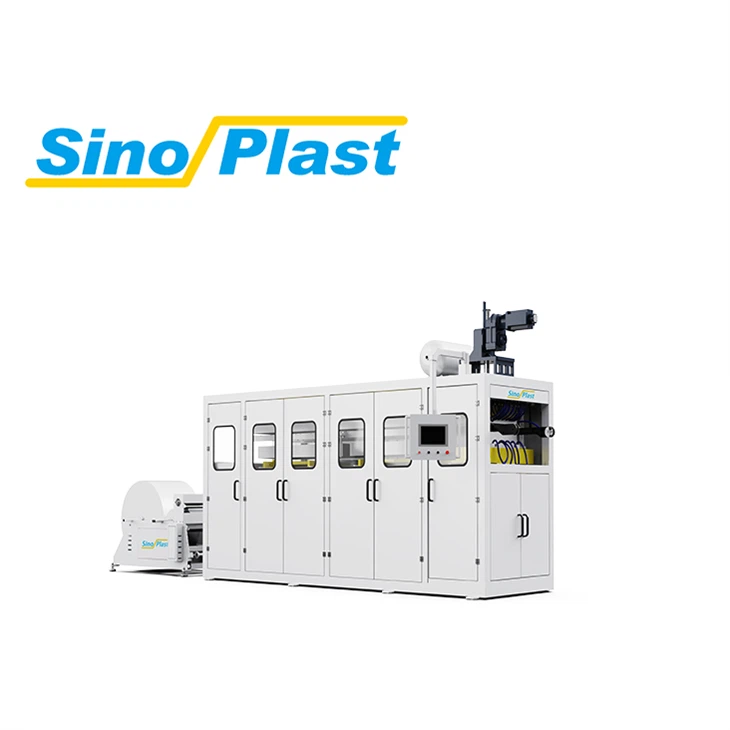
Now, let me introduce some of the machines we offer. We have the Plastic Glass Making Machine, which is highly efficient in producing high - quality plastic glasses. It's designed with the latest technology to minimize energy consumption and waste. Our Glass Cup Making Machine is another great option. It can produce disposable glass cups with precision and speed. And if you're looking for a machine to make plastic cup plates, our Plastic Cup Plate Making Machine is the way to go. It's capable of producing various types of plastic cup plates for different applications.
We're committed to reducing the environmental impact of our machines. We're constantly looking for ways to make our production processes more sustainable. Whether it's by using more eco - friendly materials or improving the energy efficiency of our machines, we're on a mission to make a positive change.
If you're in the market for a plastic cup machine, I'd love to have a chat with you. We can discuss your specific needs and how we can help you minimize the environmental impact while still getting a high - quality machine. Whether you're a small business just starting out or a large - scale manufacturer, we have the right solutions for you.
In conclusion, while plastic cup machines do have some environmental impacts, there are ways to address these issues. By using sustainable materials, improving energy efficiency, and promoting recycling, we can make the production and use of plastic cups more environmentally friendly. So, if you're interested in learning more about our plastic cup machines or have any questions about how we're working towards a greener future, don't hesitate to reach out. Let's work together to make a difference in the industry.
References:
- Various studies on plastic pollution and its environmental impacts from scientific journals.
- Reports on energy consumption in plastic manufacturing industries.


