


Hey there! As a supplier of thermoforming cup machines, I'm super stoked to spill the beans on the technical deets of these nifty contraptions. Whether you're in the food and beverage biz, or just curious about how those disposable cups are made, this blog's for you.
Let's kick things off with the basics. A thermoforming cup machine is all about taking plastic sheets and turning them into cups. It's a pretty cool process that combines heat, pressure, and a whole lot of engineering magic.
Heating System
The heating system is like the heart of the thermoforming cup machine. It's responsible for getting that plastic sheet to the right temperature so it can be molded into a cup. Most machines use infrared heaters, which are great because they heat up quickly and evenly. This means you get a consistent quality across all the cups you produce.
The temperature control is also crucial. You don't want the plastic to be too hot or too cold. If it's too hot, the plastic can become too soft and lose its shape. If it's too cold, it won't mold properly. That's why modern thermoforming cup machines come with advanced temperature sensors and controllers. They can adjust the heat in real-time to make sure everything's just right.
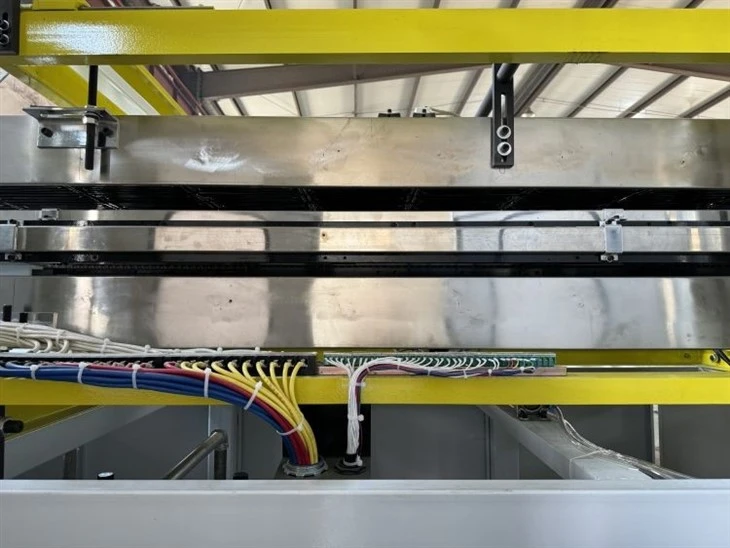

Molding System
Once the plastic sheet is heated, it's time for the molding system to do its thing. This is where the magic happens, and the flat plastic sheet turns into a cup. The molding system consists of a mold, which is a custom-made tool that gives the cup its shape.
There are different types of molds, depending on the size and shape of the cup you want to make. Some molds are designed for small cups, like those used for espresso or yogurt. Others are for larger cups, like those used for soft drinks or milkshakes.
The molding process involves pressing the heated plastic sheet into the mold using a hydraulic or pneumatic press. The press applies just the right amount of pressure to ensure that the plastic fills every nook and cranny of the mold. This results in a perfectly shaped cup with smooth edges and a consistent wall thickness.
Cutting System
After the cup is molded, it needs to be cut out of the plastic sheet. That's where the cutting system comes in. The cutting system uses a sharp blade to separate the cup from the rest of the sheet.
There are two main types of cutting systems: rotary and reciprocating. Rotary cutting systems are faster and more efficient, making them ideal for high-volume production. Reciprocating cutting systems, on the other hand, are more precise and can be used for more complex cup designs.
Stacking System
Once the cups are cut out, they need to be stacked and prepared for packaging. The stacking system is responsible for this task. It uses a series of conveyors and guides to stack the cups neatly on top of each other.
Some thermoforming cup machines come with automatic stacking systems, which can stack the cups at high speeds. This is great for large-scale production, as it saves time and labor costs.
Control System
The control system is the brain of the thermoforming cup machine. It's responsible for managing all the different functions of the machine, from the heating system to the stacking system.
Modern control systems are typically computerized and use a touchscreen interface. This makes it easy for operators to set up the machine, monitor its performance, and make adjustments as needed. The control system also has built-in safety features to prevent accidents and ensure the machine operates smoothly.
Materials Compatibility
One of the great things about thermoforming cup machines is that they can work with a variety of plastic materials. Some of the most common materials include polypropylene (PP), polystyrene (PS), and polyethylene terephthalate (PET).
PP is a popular choice because it's lightweight, durable, and has good chemical resistance. PS is known for its clarity and stiffness, making it ideal for clear cups. PET is a strong and lightweight material that's often used for beverage cups because it's recyclable.
Production Capacity
The production capacity of a thermoforming cup machine is an important consideration. It's measured in terms of the number of cups the machine can produce per hour. The production capacity depends on several factors, including the size of the cups, the speed of the machine, and the complexity of the cup design.
Smaller thermoforming cup machines can produce a few hundred cups per hour, while larger machines can produce several thousand cups per hour. If you're planning to start a small business, a machine with a lower production capacity might be sufficient. But if you're looking to supply cups to large retailers or food chains, you'll need a machine with a higher production capacity.
Energy Efficiency
In today's world, energy efficiency is a big deal. Thermoforming cup machines can consume a lot of energy, especially the heating system. That's why it's important to choose a machine that's energy-efficient.
Modern thermoforming cup machines are designed with energy-saving features, such as insulation to reduce heat loss and advanced heating elements that use less energy. Some machines also have energy management systems that can automatically adjust the energy consumption based on the production volume.
Maintenance and Support
Like any piece of machinery, thermoforming cup machines require regular maintenance to keep them running smoothly. That's why it's important to choose a supplier that offers good maintenance and support services.
A reputable supplier will provide you with a user manual that includes detailed instructions on how to operate and maintain the machine. They'll also offer training to your operators so they can use the machine safely and efficiently. In addition, they'll have a team of technicians who can provide on-site support if you run into any problems.
Conclusion
So, there you have it - the technical specifications of a thermoforming cup machine. As you can see, these machines are pretty complex but also incredibly versatile. They can produce a wide range of cups in different sizes, shapes, and materials, making them a great investment for businesses in the food and beverage industry.
If you're interested in learning more about thermoforming cup machines, or if you're ready to start a conversation about purchasing one, I'd love to hear from you. You can check out our Disposable Plastic Plate Cup Thermoforming Machine, Plastic Cup Plate Making Machine, and Ice Cream Plastic Cup Making Machine for more details. Let's work together to find the perfect machine for your business!
References
- Thermoforming Technology Handbook, by James F. Thompson
- Plastics Materials and Processing, by Charles A. Harper


