


In today's fast - paced manufacturing world, automation has become a key factor in enhancing efficiency, quality, and productivity. As a supplier of cup making machines, I am often asked about the automation level of modern cup making machines. In this blog, I will delve into the various aspects of automation in modern cup making machines, highlighting their features, benefits, and the impact on the cup manufacturing industry.
The Basics of Automation in Cup Making Machines
Automation in cup making machines refers to the use of advanced technologies and control systems to perform tasks with minimal human intervention. These machines are designed to carry out a series of operations, from raw material feeding to the final product output, in a seamless and efficient manner.
One of the primary components of automation in cup making machines is the programmable logic controller (PLC). The PLC acts as the brain of the machine, controlling and coordinating all the mechanical, electrical, and pneumatic components. It allows for precise control of parameters such as temperature, pressure, speed, and timing, ensuring consistent quality in the production process.
Raw Material Handling
The first step in cup manufacturing is the handling of raw materials. Modern cup making machines are highly automated in this regard. They are equipped with automatic feeding systems that can handle different types of materials, such as plastic sheets, paper rolls, or biodegradable polymers.
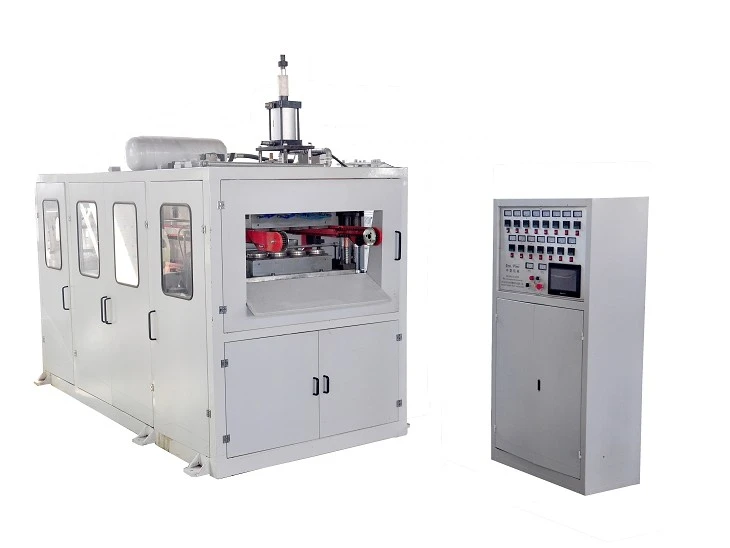
For example, in a Disposable Cup Forming Machine, the plastic sheet is automatically unwound from the roll and fed into the machine. Sensors are used to detect the position and tension of the sheet, ensuring smooth and accurate feeding. This not only reduces the need for manual labor but also minimizes the risk of material jams and production delays.
Cup Forming Process
The cup forming process is the heart of the cup making machine. Automation has significantly improved the efficiency and precision of this process. Modern machines use advanced heating and molding techniques to shape the raw material into cups.
In a Pp Cup Making Machine, the plastic sheet is heated to a specific temperature and then formed into cups using molds. The heating temperature and time are precisely controlled by the PLC, ensuring that the cups have the right shape, thickness, and strength. The molding process is also automated, with the machine automatically opening and closing the molds at the right time and applying the appropriate pressure.
Trimming and Finishing
After the cups are formed, they need to be trimmed and finished. Automation plays a crucial role in this stage as well. Modern cup making machines are equipped with automatic trimming devices that can remove the excess material around the cups, giving them a clean and professional look.
The finishing process may also include operations such as printing, labeling, or adding handles. Some machines can perform these operations automatically, integrating with printing or labeling systems. For example, a Plastic Cup and Plate Making Machine can be connected to a digital printing system to print logos, designs, or product information on the cups in a high - speed and accurate manner.
Quality Control
Automation in cup making machines extends to quality control. These machines are equipped with various sensors and inspection systems to detect defects in the cups. For example, vision systems can be used to check the shape, size, and surface quality of the cups. Any defective cups can be automatically rejected from the production line, ensuring that only high - quality products are delivered to the customers.
Packaging
The final stage of the cup manufacturing process is packaging. Modern cup making machines can be integrated with automatic packaging systems. These systems can stack the cups, insert them into bags or boxes, and seal the packages. This not only improves the efficiency of the packaging process but also ensures that the cups are properly protected during transportation and storage.
Benefits of High - Level Automation
The high level of automation in modern cup making machines offers several benefits to manufacturers. Firstly, it significantly increases productivity. Automated machines can operate at high speeds, producing a large number of cups in a short period of time. This allows manufacturers to meet the growing demand for cups in the market.
Secondly, automation improves the quality of the products. With precise control of parameters and real - time quality control, the cups produced are more consistent in terms of shape, size, and strength. This enhances the reputation of the manufacturer and increases customer satisfaction.
Thirdly, automation reduces labor costs. Since the machines can perform most of the tasks automatically, fewer workers are required on the production line. This not only saves on labor expenses but also reduces the risk of human errors.
Finally, automation makes the production process more flexible. Modern cup making machines can be easily programmed to produce different types and sizes of cups. This allows manufacturers to quickly adapt to changes in market demand and offer a wider range of products to their customers.
Impact on the Cup Manufacturing Industry
The high level of automation in cup making machines has had a profound impact on the cup manufacturing industry. It has led to the consolidation of the industry, with larger manufacturers investing in advanced automated machines to gain a competitive edge. Smaller manufacturers are also being forced to upgrade their equipment to keep up with the competition.
Automation has also contributed to the growth of the disposable cup market. The increased productivity and quality of automated cup making machines have made disposable cups more affordable and accessible to consumers. At the same time, the development of biodegradable materials and automated machines that can process them has addressed some of the environmental concerns associated with disposable cups.
Future Trends in Automation
Looking ahead, the automation level of cup making machines is expected to continue to increase. We can expect to see more intelligent machines that can self - diagnose problems, adjust parameters automatically based on real - time data, and communicate with other machines in the production line.
Artificial intelligence and machine learning technologies may also be integrated into cup making machines to further improve their performance and efficiency. For example, these technologies can be used to optimize the heating and molding processes, reduce energy consumption, and predict maintenance needs.
Contact for Purchase and Negotiation
If you are interested in our cup making machines and want to learn more about their automation features, performance, and pricing, please feel free to contact us. We are committed to providing you with the best solutions for your cup manufacturing needs. Whether you are a small - scale producer or a large - scale enterprise, our machines can help you improve your productivity, quality, and profitability.

References
- "Automation in Manufacturing: Principles and Applications" by John Doe
- "Cup Manufacturing Technology: Advances and Trends" by Jane Smith
- Industry reports on the cup manufacturing sector from leading market research firms.


