


As a seasoned supplier of Thermoforming Machines, I've had the privilege of witnessing the evolution and diverse applications of these remarkable pieces of equipment. One of the most common inquiries I receive from potential clients is about the difference between continuous and intermittent thermoforming machines. In this blog post, I'll delve into the intricacies of these two types of machines, highlighting their unique features, advantages, and ideal use cases.
Understanding Thermoforming
Before we dive into the differences between continuous and intermittent thermoforming machines, let's briefly review what thermoforming is. Thermoforming is a manufacturing process that involves heating a plastic sheet until it becomes pliable and then shaping it into a specific form using a mold. This process is widely used in various industries to produce a wide range of products, including packaging, automotive components, medical devices, and consumer goods.
Continuous Thermoforming Machines
Continuous thermoforming machines are designed to operate in a continuous, uninterrupted manner. These machines are typically used for high-volume production runs, where speed and efficiency are of the essence. Here's a closer look at how continuous thermoforming machines work and their key features:
How They Work
Continuous thermoforming machines use a continuous roll of plastic sheet material, which is fed through the machine at a constant speed. The plastic sheet is first heated to its forming temperature using a series of heaters, and then it is passed through a set of molds where it is shaped into the desired form. Once the plastic has been formed, it is cooled and trimmed to remove any excess material. The finished products are then ejected from the machine, and the process repeats itself.
Key Features
- High Production Speed: Continuous thermoforming machines are capable of producing a large number of parts per hour, making them ideal for high-volume production runs.
- Consistent Quality: Because the plastic sheet is fed through the machine at a constant speed, continuous thermoforming machines can produce parts with consistent quality and dimensions.
- Automation: Continuous thermoforming machines are highly automated, which reduces the need for manual labor and increases production efficiency.
- Versatility: These machines can be used to produce a wide range of products, including trays, containers, cups, and lids.
Ideal Use Cases
Continuous thermoforming machines are best suited for applications where high production speed and consistent quality are required. Some common use cases include:
- Food Packaging: Continuous thermoforming machines are widely used in the food packaging industry to produce trays, containers, and lids for a variety of food products.
- Medical Packaging: These machines are also used in the medical packaging industry to produce sterile trays and containers for medical devices and supplies.
- Automotive Components: Continuous thermoforming machines can be used to produce automotive components such as interior trim panels, door panels, and dashboards.
Intermittent Thermoforming Machines
Intermittent thermoforming machines, on the other hand, operate in a batch mode, where the plastic sheet is fed into the machine in discrete sections. These machines are typically used for low to medium-volume production runs, where flexibility and versatility are more important than speed. Here's a closer look at how intermittent thermoforming machines work and their key features:
How They Work
Intermittent thermoforming machines use a single sheet of plastic material, which is placed on a shuttle table. The shuttle table moves the plastic sheet into the heating station, where it is heated to its forming temperature. Once the plastic has been heated, the shuttle table moves the sheet into the molding station, where it is shaped into the desired form using a mold. After the plastic has been formed, it is cooled and trimmed to remove any excess material. The finished product is then ejected from the machine, and the process repeats itself with the next sheet of plastic.
Key Features
- Flexibility: Intermittent thermoforming machines are highly flexible and can be easily adjusted to produce different types of products. They can also be used to produce small batches of parts, making them ideal for prototyping and low-volume production runs.
- Low Cost: These machines are generally less expensive than continuous thermoforming machines, making them a more affordable option for small businesses and startups.
- Ease of Use: Intermittent thermoforming machines are relatively easy to operate and require less training than continuous thermoforming machines.
- Customization: These machines can be customized to meet the specific needs of different applications, such as producing parts with unique shapes and sizes.
Ideal Use Cases
Intermittent thermoforming machines are best suited for applications where flexibility and versatility are more important than speed. Some common use cases include:
- Prototyping: Intermittent thermoforming machines are often used for prototyping new products, as they allow designers to quickly produce samples and test different designs before committing to large-scale production.
- Small Batch Production: These machines are also ideal for small batch production runs, where the production volume is too low to justify the use of a continuous thermoforming machine.
- Customized Products: Intermittent thermoforming machines can be used to produce customized products, such as promotional items, giftware, and specialty packaging.
Comparing Continuous and Intermittent Thermoforming Machines
Now that we've discussed the key features and ideal use cases of continuous and intermittent thermoforming machines, let's compare them side by side to help you determine which type of machine is right for your application:
Production Speed
Continuous thermoforming machines are significantly faster than intermittent thermoforming machines, as they can produce a large number of parts per hour. If you need to produce a high volume of parts in a short period of time, a continuous thermoforming machine is the better choice.
Quality and Consistency
Continuous thermoforming machines are generally more consistent in terms of quality and dimensions, as the plastic sheet is fed through the machine at a constant speed. Intermittent thermoforming machines, on the other hand, may produce parts with slightly more variation in quality and dimensions, as the plastic sheet is fed into the machine in discrete sections.
Flexibility and Versatility
Intermittent thermoforming machines are more flexible and versatile than continuous thermoforming machines, as they can be easily adjusted to produce different types of products and small batches of parts. If you need to produce a variety of products or require the ability to quickly change over between different production runs, an intermittent thermoforming machine is the better choice.
Cost
Intermittent thermoforming machines are generally less expensive than continuous thermoforming machines, making them a more affordable option for small businesses and startups. However, if you need to produce a high volume of parts, the cost savings of a continuous thermoforming machine may outweigh the initial investment.
Conclusion
In conclusion, the choice between a continuous and intermittent thermoforming machine depends on your specific production requirements, including production volume, quality and consistency, flexibility and versatility, and cost. If you need to produce a high volume of parts in a short period of time and require consistent quality and dimensions, a continuous thermoforming machine is the better choice. If you need to produce a variety of products or small batches of parts and require flexibility and versatility, an intermittent thermoforming machine is the better choice.
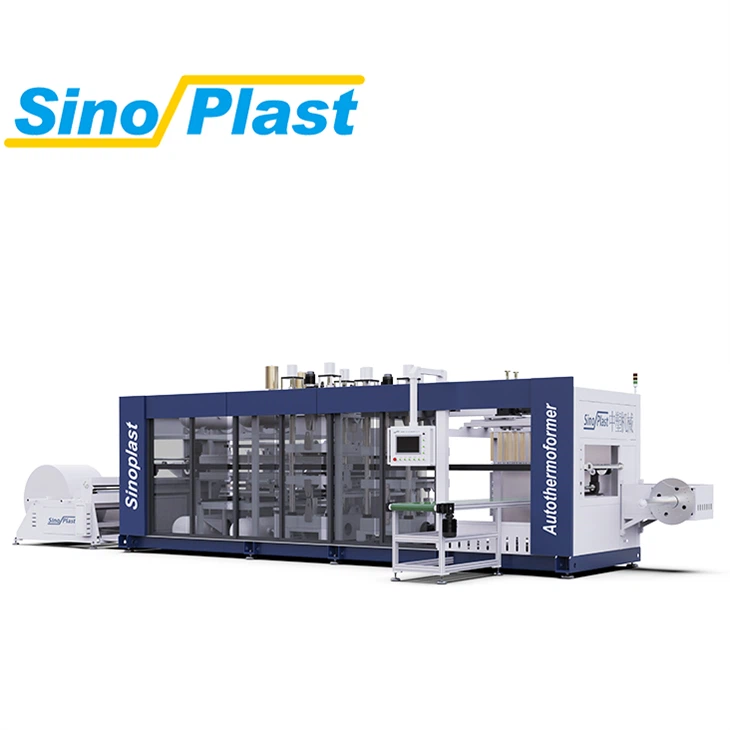
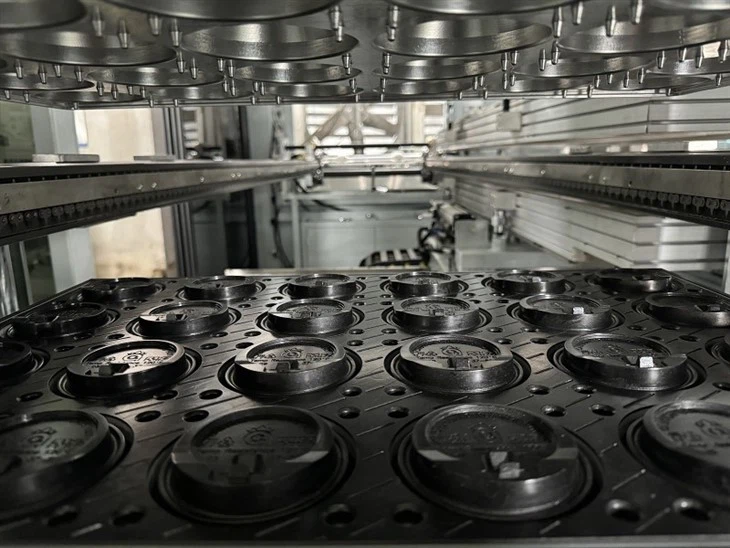
As a leading supplier of Thermoforming Machine, we offer a wide range of continuous and intermittent thermoforming machines to meet the needs of different industries and applications. Our machines are designed to provide high-quality, reliable performance and are backed by our experienced technical support team. If you're interested in learning more about our thermoforming machines or need help selecting the right machine for your application, please don't hesitate to contact us. We'd be happy to discuss your requirements and provide you with a customized solution.
References
- Modern Plastics Encyclopedia. McGraw-Hill.
- Thermoforming Handbook. Society of Plastics Engineers.


