


As a supplier of Plastic Glass Machines, I'm often asked about the various components that make these machines so efficient and reliable. One crucial part that plays a significant role in the operation of a plastic glass machine is the ejector system. In this blog, I'll delve into what the ejector system of a plastic glass machine is, how it works, and its importance in the overall manufacturing process.
What is the Ejector System?
The ejector system in a plastic glass machine is a mechanism designed to remove the newly formed plastic glasses from the mold cavity once the forming process is complete. After the plastic material has been heated, shaped, and cooled within the mold, it needs to be ejected smoothly and quickly to make way for the next production cycle. The ejector system ensures that this removal process is efficient, minimizing the risk of damage to the finished products and maintaining a high production rate.
How Does the Ejector System Work?
There are several types of ejector systems used in plastic glass machines, but the most common ones include mechanical, hydraulic, and pneumatic systems.
Mechanical Ejector System
A mechanical ejector system uses a series of mechanical linkages and cams to drive the ejector pins. When the mold opens, the mechanical components are activated, causing the ejector pins to move forward and push the plastic glass out of the mold cavity. This type of system is relatively simple and cost - effective, making it suitable for small - scale plastic glass production. However, it may have limitations in terms of speed and precision compared to other systems.
Hydraulic Ejector System
Hydraulic ejector systems rely on hydraulic pressure to drive the ejector pins. A hydraulic pump generates the pressure, which is then transmitted to the ejector mechanism through hydraulic cylinders. This system offers high force and can be precisely controlled, allowing for smooth and powerful ejection of the plastic glasses. Hydraulic ejector systems are commonly used in high - volume production environments where speed and accuracy are crucial. They can handle larger and more complex molds, ensuring consistent product quality.
Pneumatic Ejector System
Pneumatic ejector systems use compressed air to operate the ejector pins. Compressed air is supplied to the ejector mechanism, which then moves the pins forward to eject the plastic glass. Pneumatic systems are known for their fast response times and clean operation. They are often used in applications where a relatively low ejection force is required, such as in the production of thin - walled plastic glasses. Pneumatic ejectors are also easy to install and maintain, making them a popular choice for many plastic glass manufacturers.
Importance of the Ejector System
The ejector system is of utmost importance in a plastic glass machine for several reasons:

Product Quality
A well - designed ejector system ensures that the plastic glasses are ejected without any damage. If the ejection process is not smooth, it can cause the glasses to deform, crack, or have surface defects. This can lead to a high rate of product rejection, increasing production costs. By using a reliable ejector system, manufacturers can maintain high product quality and meet the strict requirements of their customers.
Production Efficiency
The speed and efficiency of the ejector system directly impact the overall production rate of the plastic glass machine. A fast - acting ejector system allows for a shorter cycle time, meaning more plastic glasses can be produced in a given period. This is especially important for large - scale manufacturers who need to meet high - volume orders in a timely manner. Additionally, an efficient ejector system reduces downtime by minimizing the risk of jams and other mechanical failures.
Mold Protection
The ejector system also plays a role in protecting the mold. If the plastic glasses are not ejected properly, they can get stuck in the mold cavity, causing damage to the mold surface. This can lead to costly repairs and downtime. A well - functioning ejector system ensures that the glasses are removed cleanly, extending the lifespan of the mold and reducing maintenance costs.
Our Plastic Glass Machines and Ejector Systems
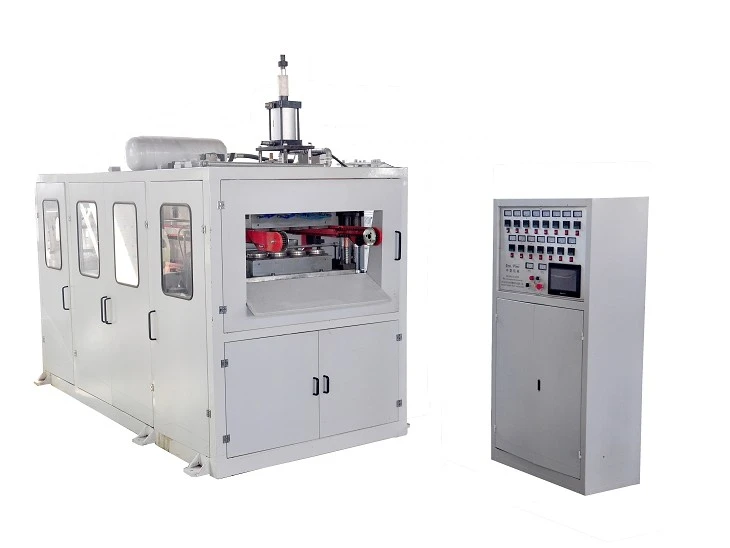
At our company, we offer a wide range of Plastic Glass Making Machine equipped with state - of - the - art ejector systems. Our machines are designed to meet the diverse needs of our customers, whether they are small - scale producers or large - scale manufacturers.
For those looking for a reliable solution for disposable plastic glass production, our Disposable Cup Forming Machine is an excellent choice. These machines are equipped with advanced ejector systems that ensure fast and efficient ejection of the cups, resulting in high - quality products and a high production rate.
If you are in the market for a more versatile machine that can produce both plastic glasses and plates, our Plastic Cup Plate Machine is worth considering. The ejector systems in these machines are designed to handle different shapes and sizes of products, providing flexibility and reliability in production.
Conclusion
The ejector system is a critical component of a plastic glass machine. It ensures the smooth and efficient removal of the newly formed plastic glasses from the mold, which is essential for maintaining product quality, production efficiency, and mold protection. As a leading supplier of plastic glass machines, we are committed to providing our customers with machines equipped with the best ejector systems available.
If you are interested in learning more about our plastic glass machines or have any questions about the ejector systems, we encourage you to contact us for a detailed discussion. Our team of experts is ready to assist you in finding the right machine for your specific production needs. Whether you are just starting your plastic glass manufacturing business or looking to upgrade your existing equipment, we can provide you with the solutions you need to succeed in the market.
References
- "Plastic Processing Machinery Handbook"
- "Molding Technology for Plastic Products"
- Industry research reports on plastic glass manufacturing technology.


