


As a supplier of Thermoforming Machines, I've witnessed firsthand the crucial role that ventilation systems play in these complex pieces of equipment. Thermoforming is a manufacturing process where a plastic sheet is heated to a pliable forming temperature, formed to a specific shape in a mold, and trimmed to create a usable product. The ventilation system in a thermoforming machine is not just an add - on; it is an integral part that significantly impacts the machine's performance, product quality, and the overall working environment.
Temperature Control
One of the primary functions of the ventilation system in a thermoforming machine is temperature control. During the thermoforming process, the plastic sheet is heated to a high temperature to make it malleable. After the forming process, the newly formed plastic products need to be cooled down rapidly to maintain their shape. The ventilation system helps in both heating and cooling phases.
In the heating phase, proper ventilation ensures that the heat is evenly distributed across the plastic sheet. Uneven heat distribution can lead to inconsistent forming, where some parts of the plastic may be over - heated and become too thin, while others remain under - heated and do not form correctly. The ventilation system circulates hot air around the heating elements and the plastic sheet, ensuring a uniform temperature profile. This is essential for producing high - quality thermoformed products with consistent thickness and strength.
Once the forming is complete, the ventilation system switches to the cooling mode. It blows cool air over the formed plastic products, accelerating the cooling process. Rapid cooling is important because it reduces the cycle time of the thermoforming machine, increasing the production rate. Moreover, it helps in setting the plastic in its desired shape, preventing any deformation that could occur during the natural cooling process. For example, in the production of plastic cups and plates, a well - designed ventilation system can ensure that the cups have a smooth surface and the plates have a flat and even shape.
Removal of Fumes and Debris
Another critical role of the ventilation system is the removal of fumes and debris generated during the thermoforming process. When the plastic sheet is heated, it can release various fumes and volatile organic compounds (VOCs). These fumes not only pose a health risk to the operators but can also affect the quality of the thermoformed products. For instance, if the fumes are allowed to accumulate in the machine, they can condense on the plastic surface, leaving marks or affecting the transparency of clear plastic products.
The ventilation system draws the fumes out of the machine and expels them to the outside environment. This helps in maintaining a clean and safe working environment for the operators. Additionally, during the trimming process, small pieces of plastic debris are generated. The ventilation system can also capture these debris particles, preventing them from getting stuck in the machine's moving parts or contaminating the finished products. This reduces the risk of machine breakdowns and ensures the production of clean and debris - free thermoformed items.
Airflow Optimization for Mold Filling
In thermoforming, proper airflow is essential for achieving good mold filling. The ventilation system can be designed to create a specific airflow pattern within the machine. When the plastic sheet is being formed into the mold, the airflow can help in pushing the plastic into all the corners and details of the mold. This is particularly important for complex - shaped molds, where it can be challenging to ensure complete filling.
By adjusting the speed and direction of the airflow, the ventilation system can enhance the mold - filling process. For example, in the production of plastic trays with multiple compartments, the airflow can be directed in such a way that the plastic sheet fills each compartment evenly. This results in products with accurate dimensions and a high level of detail, which is crucial for applications where the products need to fit precisely into other components or packaging.
Impact on Machine Longevity
A well - functioning ventilation system also contributes to the longevity of the thermoforming machine. The heat generated during the thermoforming process can cause damage to the machine's electrical components, motors, and other sensitive parts if not properly managed. The ventilation system helps in dissipating the heat, preventing overheating and reducing the wear and tear on these components.
For example, the motors in a thermoforming machine can overheat if the surrounding temperature is too high. This can lead to premature motor failure and costly repairs. By maintaining a cool operating environment through proper ventilation, the lifespan of the motors and other electrical components can be significantly extended. Additionally, the removal of fumes and debris by the ventilation system prevents corrosion and clogging of the machine's internal parts, further enhancing its reliability and durability.
Types of Ventilation Systems in Thermoforming Machines
There are different types of ventilation systems used in thermoforming machines, each with its own advantages. One common type is the forced - air ventilation system. In this system, fans are used to blow air into the machine and expel the fumes and hot air. Forced - air ventilation can provide a high - volume airflow, which is effective for large - scale thermoforming operations.

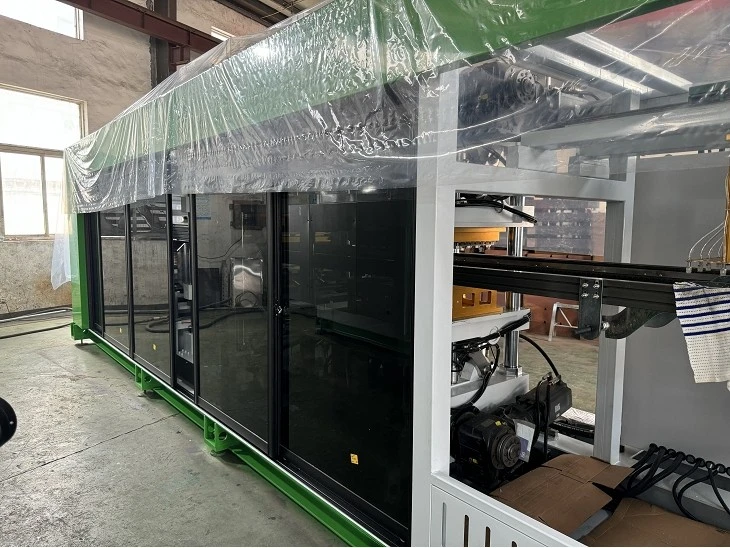
Another type is the exhaust - only ventilation system. This system is mainly focused on removing the fumes and hot air from the machine. It is often used in combination with other ventilation methods and can be more energy - efficient in some cases. Some advanced thermoforming machines also use a combination of both forced - air and exhaust - only ventilation, along with additional features such as air filters to ensure the quality of the incoming and outgoing air.
Conclusion and Call to Action
In conclusion, the ventilation system in a thermoforming machine plays a multifaceted and indispensable role. It is crucial for temperature control, removal of fumes and debris, airflow optimization for mold filling, and enhancing the machine's longevity. As a supplier of Thermoforming Machine Suppliers, we understand the importance of a high - quality ventilation system in our Thermoforming Machine and High Speed Thermoforming Machine products.
If you are in the market for a thermoforming machine or looking to upgrade your existing equipment, we invite you to contact us. Our team of experts can provide you with detailed information about the ventilation systems in our machines and how they can benefit your production process. We are committed to providing you with the best thermoforming solutions tailored to your specific needs.
References
- "Handbook of Thermoforming" by James L. Throne.
- "Plastic Processing Technology" by O. Olabisi.
- Industry reports on thermoforming machine technology and ventilation systems.


