


Ensuring the stability of a cup thermoforming machine during operation is crucial for any manufacturing process. As a supplier of cup thermoforming machines, I understand the significance of a stable machine in achieving high - quality production, reducing downtime, and maximizing overall efficiency. In this blog, I will share some key strategies and practices that can help maintain the stability of a cup thermoforming machine.
Regular Maintenance and Inspection
One of the fundamental steps in ensuring machine stability is regular maintenance and inspection. A well - maintained machine is less likely to encounter unexpected breakdowns. First, it is essential to follow the manufacturer's recommended maintenance schedule. This includes tasks such as lubricating moving parts, checking and tightening bolts and nuts, and inspecting electrical connections.
Lubrication is a critical aspect of maintenance. Moving parts in a cup thermoforming machine, such as gears, chains, and bearings, require proper lubrication to reduce friction and wear. Using the right type of lubricant and applying it at the correct intervals can significantly extend the lifespan of these components. For example, if the lubrication is insufficient, the increased friction can lead to overheating and premature failure of parts, which will disrupt the operation of the machine.
Regular inspection of electrical connections is also vital. Loose or corroded electrical connections can cause power fluctuations, which may lead to erratic machine behavior or even electrical failures. Inspectors should check for any signs of damage, such as frayed wires or burnt connectors, and replace them immediately.
Quality of Raw Materials
The quality of raw materials used in the thermoforming process can have a significant impact on the stability of the cup thermoforming machine. Low - quality plastic sheets may contain impurities or have inconsistent thickness, which can cause problems during the forming process. For instance, if the plastic sheet has uneven thickness, it may not form cups uniformly, leading to issues such as incomplete forming or deformation of the cups.
As a supplier, we always recommend our customers to use high - quality plastic sheets that meet the specifications of the machine. High - quality raw materials are more likely to have consistent physical properties, which allows the machine to operate smoothly. Additionally, proper storage of raw materials is also important. Plastic sheets should be stored in a dry and clean environment to prevent moisture absorption and contamination, which can affect their performance during thermoforming.
Operator Training
Well - trained operators are essential for the stable operation of a cup thermoforming machine. Operators should have a thorough understanding of the machine's operation, including how to set up the machine, adjust the parameters, and troubleshoot common problems. A trained operator can quickly identify and address any issues that arise during the operation, minimizing the impact on production.
Our company provides comprehensive training programs for operators. These programs cover theoretical knowledge, such as the principles of thermoforming and the functions of different machine components, as well as practical skills, such as machine operation and maintenance. During the training, operators learn how to optimize the machine settings for different types of cups and raw materials, which helps to ensure stable production.
Environmental Conditions
The environmental conditions in which the cup thermoforming machine operates can also affect its stability. Temperature and humidity are two important factors. High temperatures can cause the machine to overheat, especially in components such as motors and heaters. On the other hand, low temperatures can make the plastic sheets more brittle, which may lead to cracking during the forming process.
Humidity can also be a problem. Excessive humidity can cause corrosion of metal parts and affect the electrical performance of the machine. Therefore, it is recommended to maintain a stable environmental temperature and humidity in the production area. Installing air - conditioning and dehumidifying equipment can help to control the environmental conditions and ensure the stable operation of the machine.
Calibration and Adjustment
Regular calibration and adjustment of the cup thermoforming machine are necessary to maintain its stability. Over time, the mechanical and electrical components of the machine may experience wear and tear, which can cause deviations in the machine's performance. For example, the alignment of the forming molds may change, resulting in misaligned cups.
Calibration should be carried out at regular intervals to ensure that the machine is operating within the specified parameters. This includes calibrating the temperature control system, the pressure system, and the speed control system. Adjustment of the machine's settings may also be required based on the type of cups being produced and the characteristics of the raw materials.
Monitoring and Feedback Systems
Implementing monitoring and feedback systems can help to detect any potential problems early and ensure the stability of the cup thermoforming machine. These systems can monitor various parameters of the machine, such as temperature, pressure, and speed, in real - time. If any of these parameters deviate from the normal range, the system can send an alarm to the operator, allowing them to take corrective actions immediately.
For example, a temperature monitoring system can detect if the heating elements are overheating or not reaching the desired temperature. A pressure monitoring system can ensure that the forming pressure is consistent, which is crucial for producing high - quality cups. By using these monitoring and feedback systems, operators can proactively address issues before they cause significant disruptions to the production process.
Upgrading and Modernization
As technology advances, upgrading and modernizing the cup thermoforming machine can improve its stability and performance. Newer models of machines often incorporate advanced features and technologies, such as more precise control systems and better - designed components. Upgrading the machine can also enhance its compatibility with new types of raw materials and production requirements.
Our company offers upgrading services for our cup thermoforming machines. We can install new control systems, improve the heating elements, or replace outdated components to enhance the machine's stability and efficiency. By upgrading the machine, customers can not only improve the quality of their products but also reduce the risk of unexpected breakdowns.

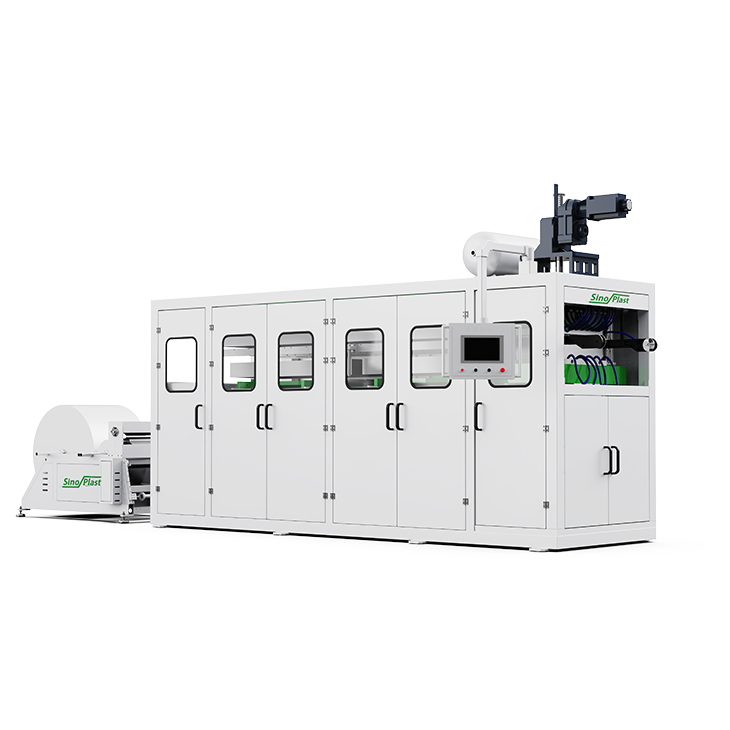
In conclusion, ensuring the stability of a cup thermoforming machine during operation requires a comprehensive approach that includes regular maintenance, using high - quality raw materials, proper operator training, controlling environmental conditions, calibration and adjustment, implementing monitoring systems, and upgrading the machine when necessary. As a supplier of cup thermoforming machines, we are committed to providing our customers with the best - in - class machines and support services to help them achieve stable and efficient production.
If you are interested in our cup thermoforming machines or need more information on how to ensure the stability of your machine, please feel free to contact us for procurement and further discussion. We are here to assist you in making the most of your thermoforming operations.
For more information about related machines, you can visit the following links: Pp Glass Making Machine, Plastic Glass Making Machine Cost, Glass Cup Making Machine.
References
- "Thermoforming Technology Handbook" by James F. Carley
- "Plastic Processing Machinery" by Hanser Publishers
- Industry whitepapers on cup thermoforming machine operation and maintenance.


