


In the realm of plastic tea cup manufacturing, the accuracy of the mold in a plastic tea cup making machine is of utmost importance. As a reputable supplier of Plastic Tea Cup Making Machines, we understand the critical role that mold accuracy plays in producing high - quality plastic tea cups. In this blog, we will explore the various aspects of maintaining the accuracy of the mold in a plastic tea cup making machine.
Understanding the Significance of Mold Accuracy
Mold accuracy directly impacts the quality and consistency of the plastic tea cups produced. A precise mold ensures that each cup has the correct dimensions, shape, and surface finish. This is crucial for meeting customer expectations, especially in terms of functionality and aesthetics. For instance, a cup with inaccurate dimensions may not fit properly on a saucer or may not stack well with other cups. Moreover, inconsistent wall thickness due to mold inaccuracies can lead to weak spots in the cup, reducing its durability.
Factors Affecting Mold Accuracy
Material Selection
The choice of material for the mold is fundamental. High - quality tool steels are commonly used for plastic tea cup molds due to their excellent wear resistance, hardness, and machinability. Materials with low thermal expansion coefficients are preferred as they minimize dimensional changes during the heating and cooling cycles of the molding process. For example, AISI H13 tool steel is a popular choice as it can withstand high temperatures and repeated thermal cycling without significant deformation.
Machining Precision
The machining process used to create the mold is another critical factor. Advanced CNC (Computer Numerical Control) machining techniques are employed to achieve high - precision mold cavities. These machines can operate with extremely tight tolerances, often within a few micrometers. During machining, factors such as cutting speed, feed rate, and tool selection must be carefully controlled to ensure that the mold is machined to the exact specifications. Any errors in the machining process can lead to inaccuracies in the final mold.
Wear and Tear
Over time, the mold is subject to wear and tear due to the repeated injection of molten plastic, high pressures, and temperature variations. The abrasive nature of the plastic resin can gradually erode the mold surface, leading to dimensional changes. Additionally, the high pressures involved in the injection molding process can cause micro - cracks and deformation in the mold. Regular inspection and maintenance are necessary to detect and address these issues before they affect the accuracy of the mold.
Strategies for Maintaining Mold Accuracy
Regular Cleaning
Cleaning the mold is a simple yet essential step in maintaining its accuracy. After each production run, the mold should be cleaned to remove any residual plastic, lubricants, or contaminants. A mild detergent and a soft brush can be used to clean the mold surface gently. Ultrasonic cleaning can also be employed for more thorough cleaning, especially in hard - to - reach areas. This helps to prevent the build - up of debris, which can cause surface defects and dimensional inaccuracies in the cups.
Lubrication
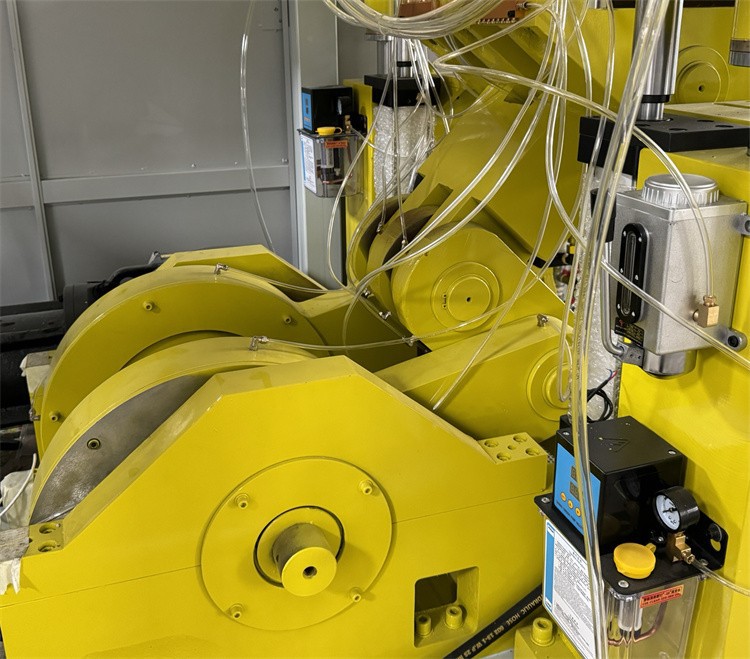
Proper lubrication of the mold components is crucial to reduce friction and wear. Lubricants should be applied to moving parts such as ejector pins, slides, and cores. The choice of lubricant depends on the operating conditions of the mold, including temperature and pressure. High - temperature lubricants are often used in plastic tea cup making machines to ensure smooth operation and prevent premature wear of the mold components.
Inspection and Measurement
Regular inspection and measurement of the mold are necessary to detect any signs of wear, damage, or dimensional changes. Coordinate Measuring Machines (CMMs) can be used to measure the dimensions of the mold with high accuracy. These machines can detect even the slightest deviations from the original specifications. Visual inspection can also be performed to check for surface defects, cracks, or other visible signs of damage. If any issues are detected, appropriate corrective actions should be taken immediately.
Temperature Control
Maintaining a consistent temperature during the molding process is essential for mold accuracy. Temperature variations can cause the mold to expand or contract, leading to dimensional changes. The mold temperature should be carefully controlled using a temperature control system. This system can regulate the flow of cooling water or heating oil through the mold to maintain a stable temperature. For example, in injection molding, the mold temperature is typically kept within a narrow range to ensure proper filling and solidification of the plastic.

Mold Repair and Refurbishment
When the mold shows signs of significant wear or damage, repair and refurbishment may be required. Minor surface defects can be repaired by polishing or re - machining the affected areas. For more severe damage, such as cracks or excessive wear, the mold may need to be rebuilt or replaced. Our company offers professional mold repair and refurbishment services to ensure that your molds remain accurate and functional.
The Role of Our Plastic Tea Cup Making Machines
As a leading supplier of Plastic Tea Cup Making Machines, we are committed to providing our customers with machines that are designed to maintain mold accuracy. Our machines are equipped with advanced temperature control systems, precise injection units, and high - quality mold clamping mechanisms. These features ensure that the mold is subjected to consistent and controlled conditions during the molding process, minimizing the risk of dimensional changes and wear.
In addition, we offer a range of related products, such as the Pp Glass Making Machine, Automatic Plastic Cup Making Machine, and Coffee Cup Machine. These machines are also designed with mold accuracy in mind, providing our customers with a comprehensive solution for their plastic cup manufacturing needs.
Conclusion
Maintaining the accuracy of the mold in a plastic tea cup making machine is a multi - faceted process that requires attention to detail and regular maintenance. By understanding the factors that affect mold accuracy and implementing the strategies outlined in this blog, you can ensure that your plastic tea cup molds remain accurate and produce high - quality cups consistently.
If you are interested in our Plastic Tea Cup Making Machines or have any questions about mold maintenance, please feel free to contact us for further discussion and potential procurement. We are here to help you optimize your plastic tea cup manufacturing process and achieve the best results.
References
- "Injection Molding Handbook" by O. Olszewski
- "Mold Design for Injection Molding" by R. A. Malloy
- Technical literature from tool steel manufacturers


