


Hey there! As a supplier of Thermoforming Equipment, I've seen firsthand how important it is to store this machinery properly during non-use periods. In this blog, I'll share some tips and tricks on how to do just that.
First off, let's talk about why proper storage matters. Thermoforming equipment is a significant investment, and you want to make sure it stays in top-notch condition for as long as possible. When you store your equipment correctly, you can prevent damage from environmental factors like humidity, dust, and temperature fluctuations. This can extend the lifespan of your machine and save you money on repairs and replacements in the long run.
Clean the Equipment Thoroughly
Before you store your thermoforming equipment, it's crucial to give it a good cleaning. This helps prevent the buildup of dirt, debris, and residue that can cause corrosion or damage to the machine over time. Start by turning off the equipment and unplugging it from the power source. Then, use a soft cloth or brush to remove any loose dirt or dust from the surface of the machine.
Next, use a mild detergent and water solution to clean the more stubborn stains or grime. Be sure to follow the manufacturer's instructions for cleaning the specific parts of the equipment. For example, some components may require a specialized cleaner or a particular cleaning method.
After cleaning, dry the equipment completely to prevent rust and corrosion. You can use a clean, dry cloth to wipe down the machine or let it air dry in a well-ventilated area.
Protect the Machine from Moisture
Moisture is one of the biggest enemies of thermoforming equipment. It can cause rust, corrosion, and electrical problems, which can lead to costly repairs or even render the machine useless. To protect your equipment from moisture, store it in a dry environment with low humidity.
If possible, use a dehumidifier in the storage area to keep the humidity level below 50%. You can also place moisture-absorbing materials like silica gel packets or activated charcoal near the equipment to help absorb any excess moisture.
Another way to protect the machine from moisture is to cover it with a waterproof tarp or a specialized equipment cover. Make sure the cover fits snugly over the machine and is secured properly to prevent water from seeping in.
Lubricate Moving Parts
Lubrication is essential for keeping the moving parts of your thermoforming equipment in good working condition. During non-use periods, the lubricants can dry out, causing increased friction and wear on the components. To prevent this, lubricate all the moving parts of the machine before storing it.
Refer to the manufacturer's manual for the recommended lubricants and lubrication points. Use a high-quality lubricant that is suitable for the specific type of equipment and the operating conditions. Apply the lubricant evenly to the moving parts, making sure to cover all the surfaces.
Disconnect and Store Accessories
If your thermoforming equipment comes with any accessories, such as molds, dies, or tooling, it's a good idea to disconnect them and store them separately. This helps prevent damage to the accessories and makes it easier to transport and handle the equipment.
Clean and lubricate the accessories before storing them. Store them in a clean, dry place, preferably in a dedicated storage container or cabinet. Label the containers to make it easy to find the accessories when you need them.
Check and Maintain the Electrical System
The electrical system of your thermoforming equipment is critical for its operation. Before storing the machine, check the electrical connections to make sure they are tight and secure. Look for any signs of damage or wear, such as frayed wires or loose terminals.
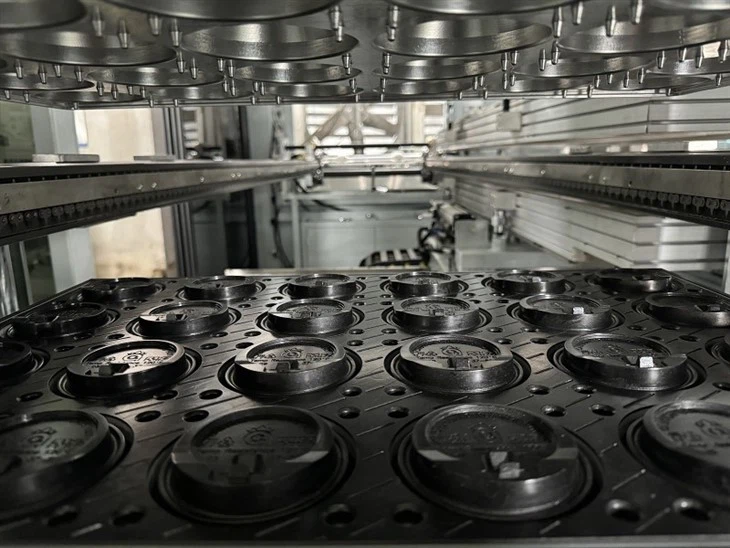

If you notice any problems, have them repaired by a qualified electrician before storing the equipment. You may also want to consider using a surge protector to protect the machine from power surges during storage.
Store in a Secure Location
Finally, store your thermoforming equipment in a secure location. This helps prevent theft, vandalism, and damage from unauthorized access. Choose a storage area that is locked and monitored, if possible.
If you're storing the equipment in a warehouse or a storage facility, make sure the facility has proper security measures in place, such as security cameras, alarms, and restricted access.
In conclusion, proper storage of thermoforming equipment during non-use periods is essential for maintaining its performance and longevity. By following these tips, you can ensure that your equipment stays in good condition and is ready to use when you need it.
If you're in the market for new Thermoforming Equipment, Plastic Container Machine, or Plastic Dish Making Machine, I'd be happy to help. Just reach out, and we can start a conversation about your specific needs.
References
- Manufacturer's manuals for thermoforming equipment
- Industry best practices for equipment storage and maintenance


