

INTRODUCTION
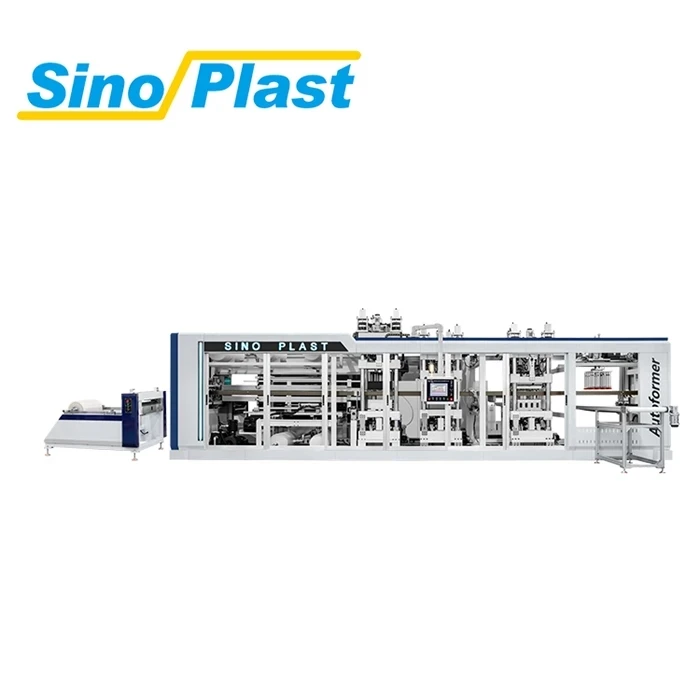
Plastic thermoforming equipment is commonly used in food packaging, medical supplies, electronic trays, packaging of daily products and other industries of automatic production lines. The device heats plastic sheets and produces a variety of plastic products using vacuum, pressure or mechanical molding methods.
Because plastic thermoforming equipment usually requires to run continuously for a long time, heating system system, transmission system, mold system and control system system all experience different degrees of wear and tear. Lack of proper maintenance will not only affect the molding quality of the product, but also lead to equipment malfunctions, production downtime, and increase maintenance costs.
Therefore, correct daily maintenance is essential to ensure stable operation of plastic thermoforming equipment, prolong its service life and improve production efficiency.
1.Regular inspection and cleaning of Heating System
heating system is one of the core parts of plastic thermoforming equipment. It is very important to maintain the stability of heating.
Plastic sheets require the suitable temperature to soften. Uneven heating can easily lead to:
Inconsistent product thickness
Incomplete molding
Surface deformation
Reduced product intensity
Daily maintenance should include:
Check that heating element are working properly
Clean up dust and plastic residue in heating area
Check the accuracy of temperature sensor.
Regularly calibrate temperature control system
For equipment operating for a long time, the heating elements should be checked regularly for aging to prevent abnormal temperature from affecting production.
2. Mold Cleaning and maintenance
Mould directly determines the size, appearance and molding effect of plastic products and is a key part of the maintenance of hot thermoforming equipment maintenance.
During production, plastic residue, dust and oil may attach to the surface of the mold, affecting the quality of the product.
Mold maintenance mainly includes:
Clean mold surface regularly.
Check the mould for scratches.
Keep vacuum holes Open
Check the accuracy of mold installation;
Severe mold surface contamination can lead to:
Product surface defects
Demolition difficulties
Product size bias
Stricter mold cleaning cycle should be established for high precision packaging products.
3. Check the Vacuum and Pressure Systems
Vacuum system and pressure system directly affect the bonding effect between plastic plate and mold, which is the key to guarantee molding quality.
During thermal molding, insufficient vacuum pressure can lead to:
Incomplete product molding shaping
Unclear edges
Insufficient detail enough
Maintenance needs checking:
Vacuum pump operation
Ventilation leaks
Damaged seals
Stable compressed air pressure
At the same time, filters should be cleaned regularly to prevent dust from affecting the air system.
4. Regularly Lubricate Transmission Components
The steady operation of transmission system is related to the operation speed and production precision of equipment.
Transmission components of plastic thermoforming equipment include:
Chain?
Guide rails
Sliding mechanism
Bearing
Drive shaft
After prolonged operation, insufficient lubrication may lead to:
Increased noise from equipment operation;
Accelerated component wear
Decreased operating accuracy
Repair needs:
Add lube or grease according to specified cycle.
Check for wear and tear of moving parts;
Cleaning up debris in transmission area
Avoid using unsuitable lubricating materials to avoid affecting the operation of equipment.
5. Inspection of electrical control systems
Modern plastic thermoforming equipment generally adopts PLC control system. The stability of electrical system directly affects the automatic operation of equipment.
Routine inspection items include:
PLC controller operating status
Wire connection status
Sensor operational status
Control panel features
Particular attention is needed to:
Prevent dust from accumulating in control cabinet.
Maintenance of a normal cooling system
Check if the wiring is loose;
If:
Temperature control anomalies
Equipment alarm
Stop the action
Electrical systems should be inspected in a timely manner to prevent minor problems from developing into serious malfunctions.
6. Maintenance the Equipment Cooling System
The cooling system can help the product set up quickly and reduce the working temperature of the equipment.
Insufficient cooling can lead to:
Product deformation
Reduced production speed
Overheating
Repair needs:
Check cooling water circulation is normal.
Cleaning filters
Check pipes for blockages.
Ensure the air cooling system is functioning properly.
For continuous production enterprises, a regular cooling system inspection system should be established.
7. Regular inspection of cutting and Feeding System
Feeding and cutting systems affect product efficiency and finished product dimensions consistency.
Feed system maintenance includes:
Check feed roller wear;
Adjusting feed accuracy
Cleaning material debris
Cutting system maintenance includes:
Check blade sharpness
Adjusting cutting positions
Replacement of worn-out parts
If the cutting system fails, it can lead to:
Irregular product edges
Increased scrap rate
Reduced productivity
8. Develop a regular maintenance plan
Scientific maintenance plans can reduce equipment failure rates and improve long-term operational stability.
Companies can set maintenance cycles based on how often the equipment is used.
Daily maintenance:
Cleaning equipment surfaces
Check running status
Cleaner production residue
Weekly maintenance:
Check lubrication components
Check air supply system.
Clean moulds
Monthly maintenance:
Check electrical systems
Inspection of transmission components
Check wear and tear of key parts;
Regular maintenance:
Replacement of ageing parts
Calibrate equipment parameters
Full equipment performance checks
Abstracts
Daily maintenance of plastic thermoforming equipment mainly includes heating system inspection, mold maintenance, vacuum pressure system inspection, transmission component lubrication, electrical system maintenance, cooling system management, etc.
Good maintenance can not only reduce equipment failures and improve production efficiency, but also extend the service life of the equipment and ensure consistent quality of plastic products.
For food packaging, pharmaceutical packaging, large-scale plastic production enterprises, the establishment of a perfect equipment maintenance system is the key to ensure continuity of production and reduce operating costs.


